APSF Pilot’s Chronograph 41: Right Movement, Finally
A cloned 69385-type column-wheel movement finally puts the day-date and subdials where they belong. Early owner reports are glowing. Here’s what they can and can’t tell us yet.
For years, a replica Pilot’s Chronograph came with a confession. It looked the part from across the room. Then you noticed the day-date sitting in the wrong place, the subdials shuffled around to fit a movement they were never designed for, and a 7750-based engine with a reputation that made owners nervous about the chronograph pusher.
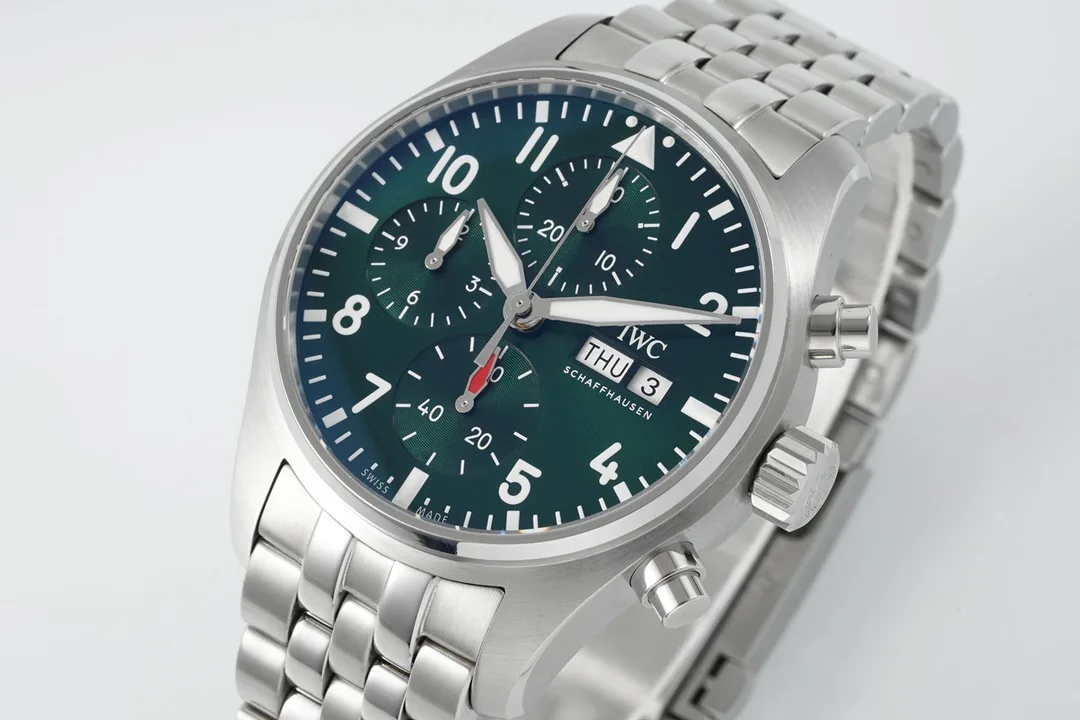
APSF’s new 41 mm version is the first one that doesn’t need the confession. It runs a Dandong-made clone of the integrated 69385-type column-wheel chronograph, the calibre family the genuine watch actually uses. Everything on the dial is now where it should be, because the movement underneath is finally the right shape.
Our view after a few months of owner reports: this is the most convincing Pilot’s Chronograph replica we’ve seen, and green on the steel bracelet is the strongest configuration so far. It’s still fairly new. Most of the glowing words here come from the first batches and a few months of wear, and that isn’t a long track record.
A movement announced in spring, a watch delivered in autumn
The clone movement was first talked about in early April, and then came the usual wait. Pre-release photos began circulating in late August. The green dial on the bracelet showed up for pre-order in mid-September, and by around 20 September the first examples were being photographed for buyers. Owner reports followed within days.
So this is a review of a watch that’s been out for only a few months. Finish and fit can be judged now. Long-term reliability can’t, at least not yet.
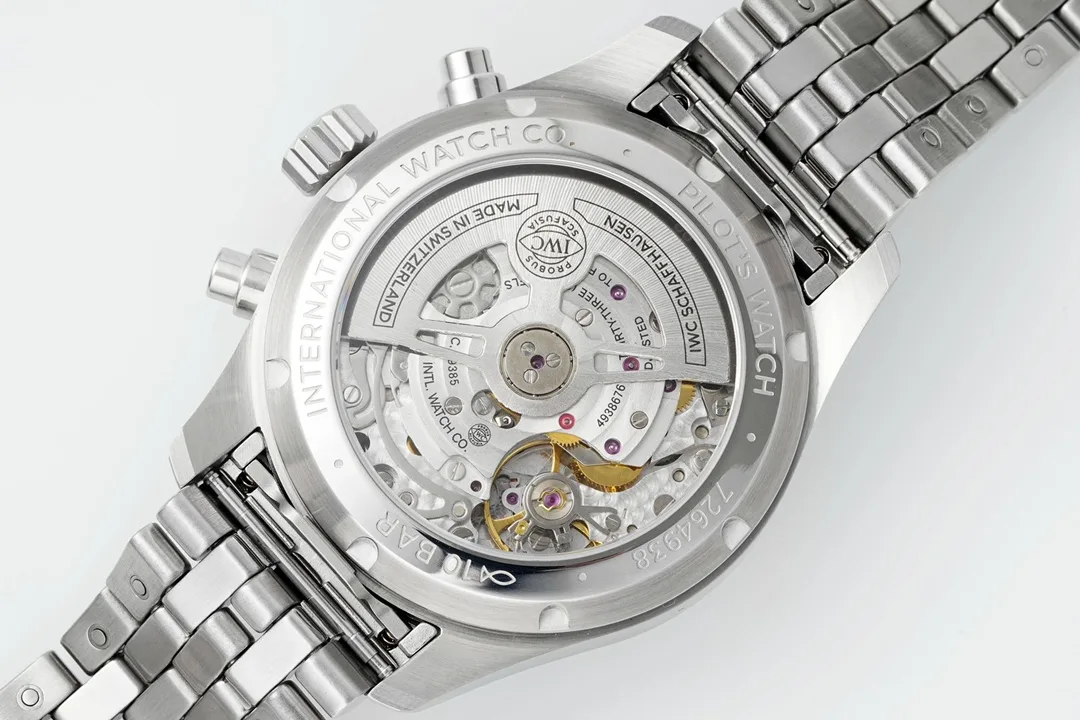
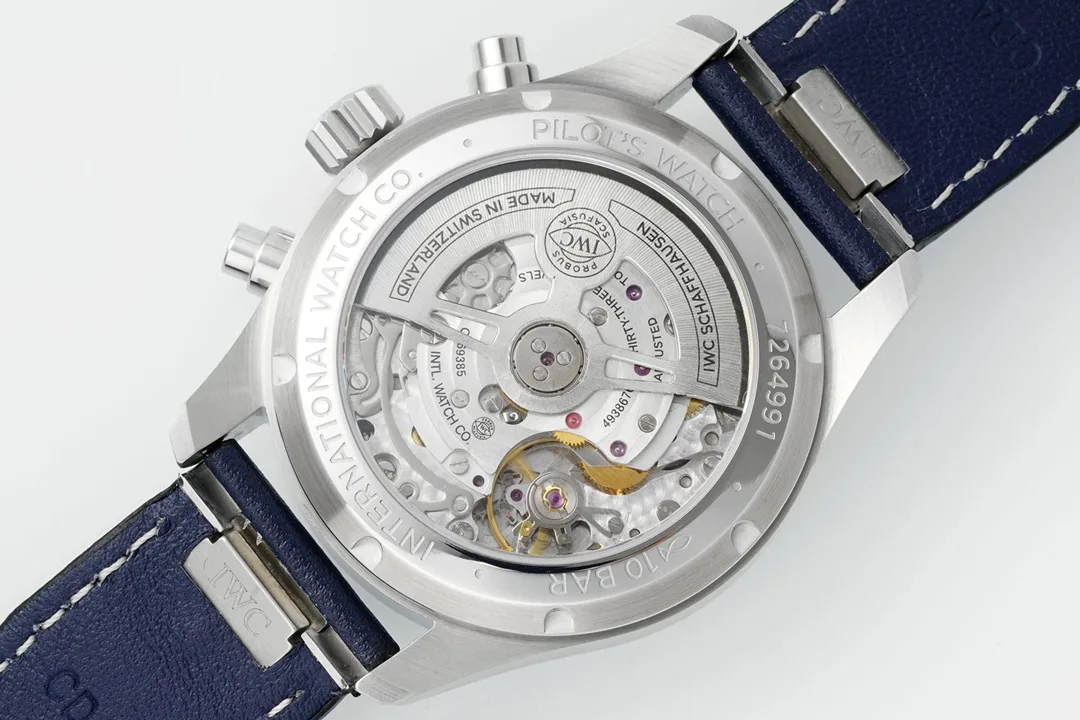
The factory’s own pitch is ambitious: three years of development, a 231-part copy of the original calibre, a column-wheel chronograph and the balance sitting at eight o’clock, where the genuine movement puts it, instead of at eleven like a 7750. That last detail is a neat tell, visible through the display back. The rest is marketing until someone opens one up.
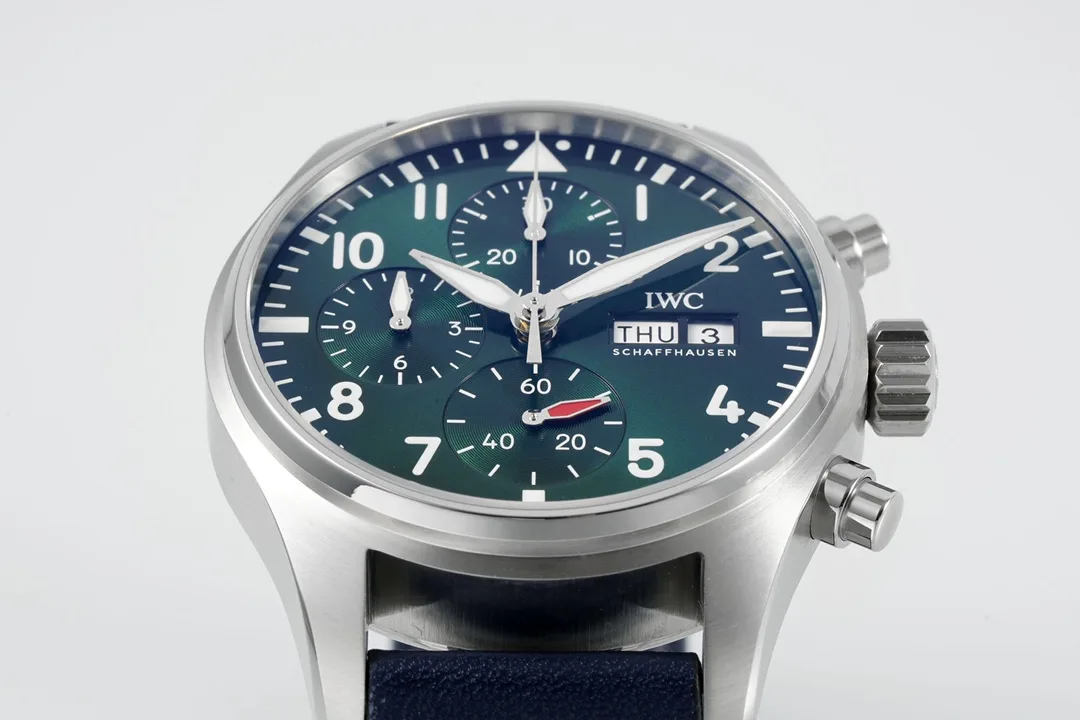
Case, dial and that day-date
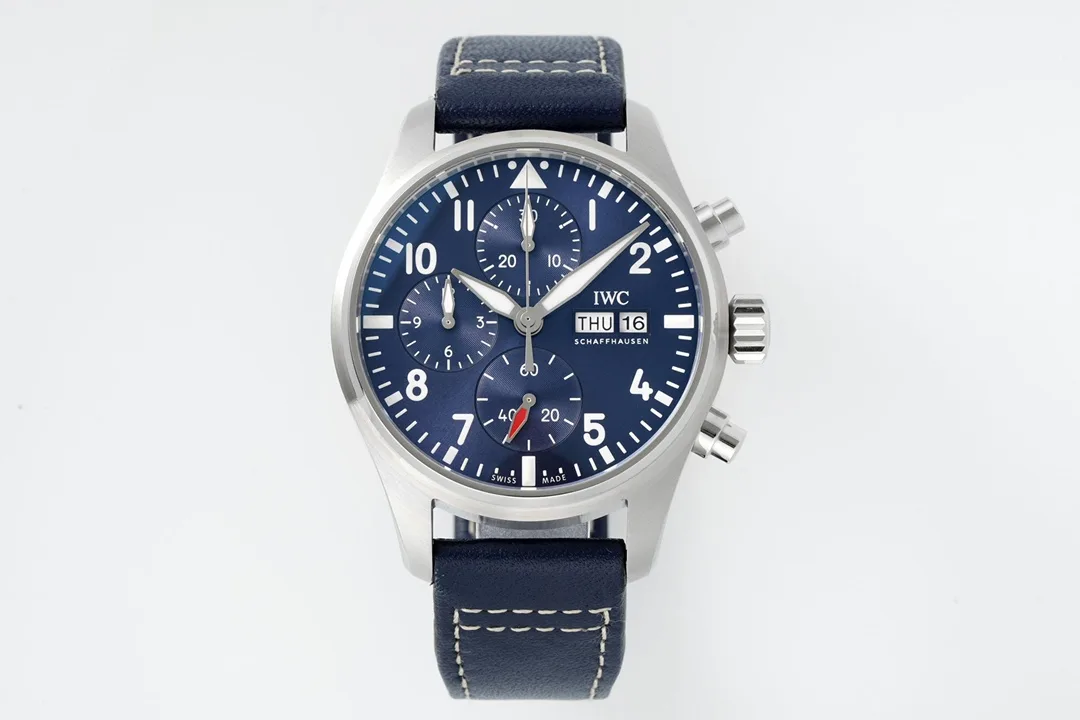
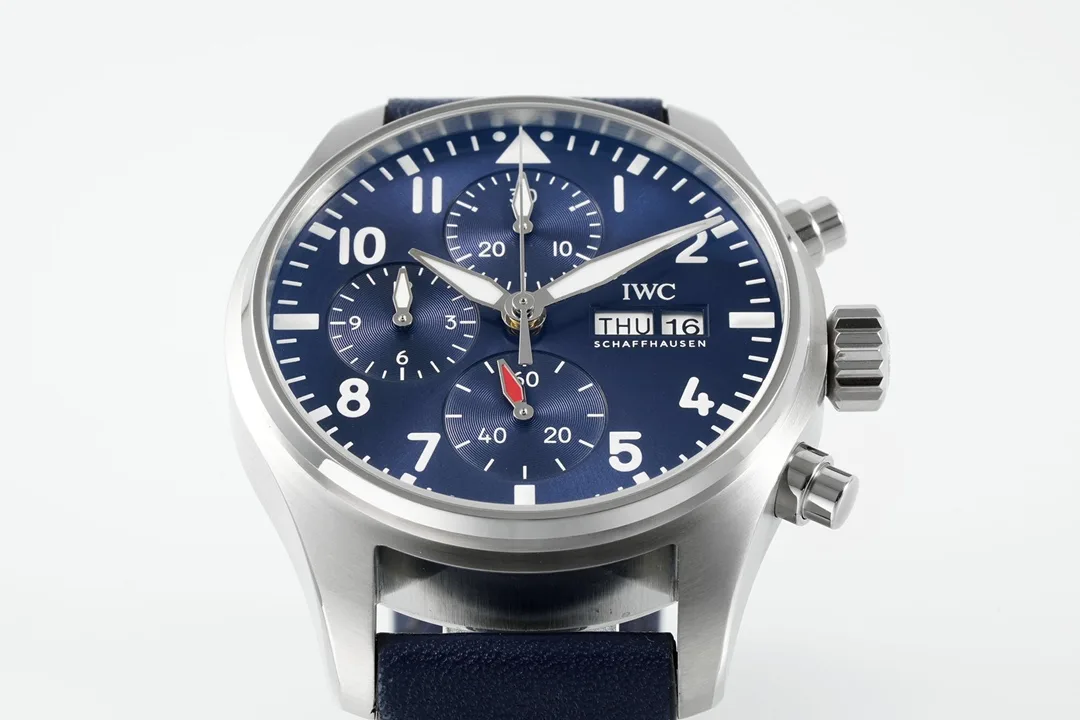
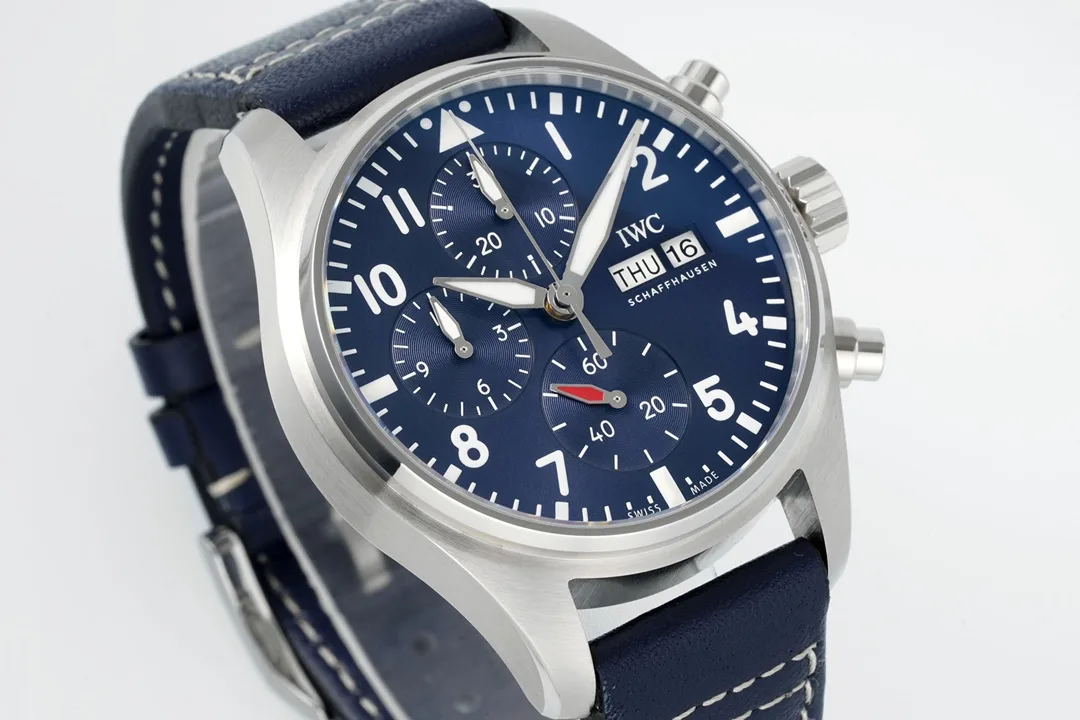
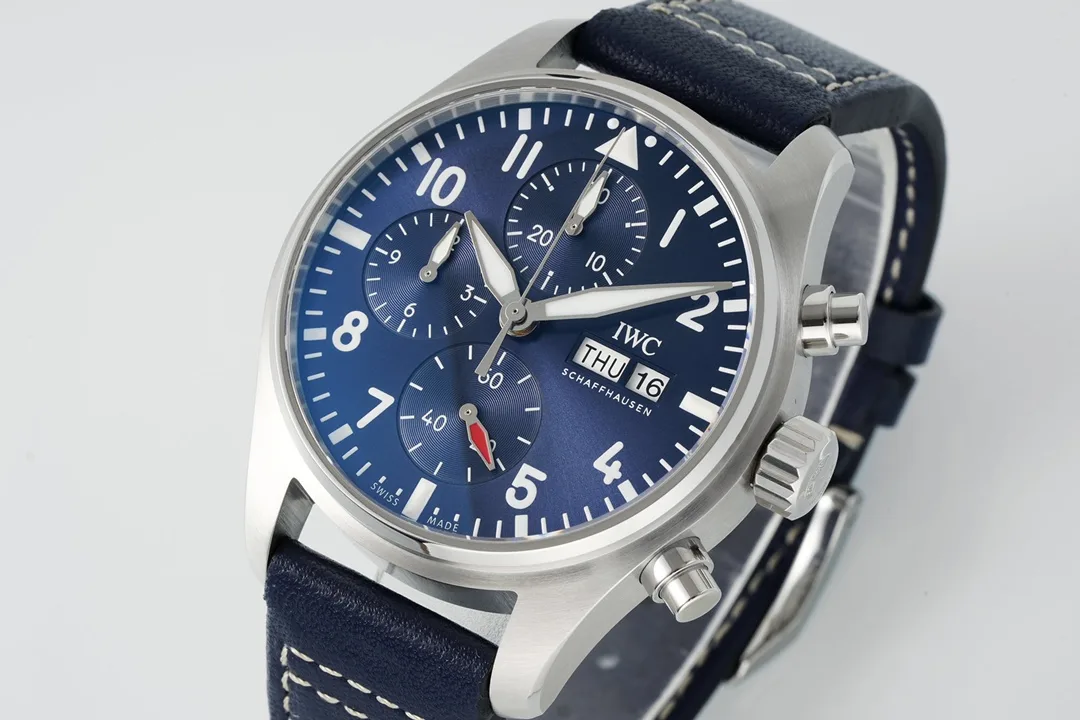
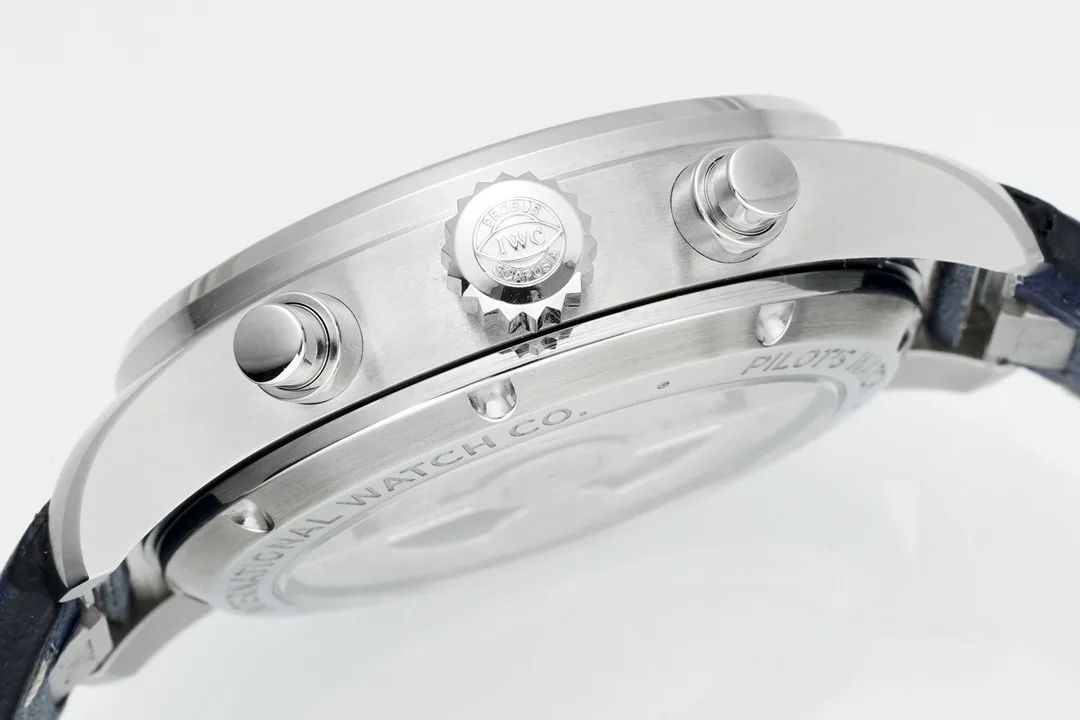
The genuine watch is quoted at 41 mm across and 14.5 mm thick, with about 50 mm lug to lug. One owner who measured an APSF example reports 41 mm, about 14.8 mm thick and roughly 50 mm lug to lug. The domed crystal makes thickness depend on where the calipers land, so that extra 0.3 mm may be measurement as much as metal. Either way, this isn’t a slim watch, and some owners say it wears bigger than they expected. Try a similar-sized chronograph on first if your wrist is small.
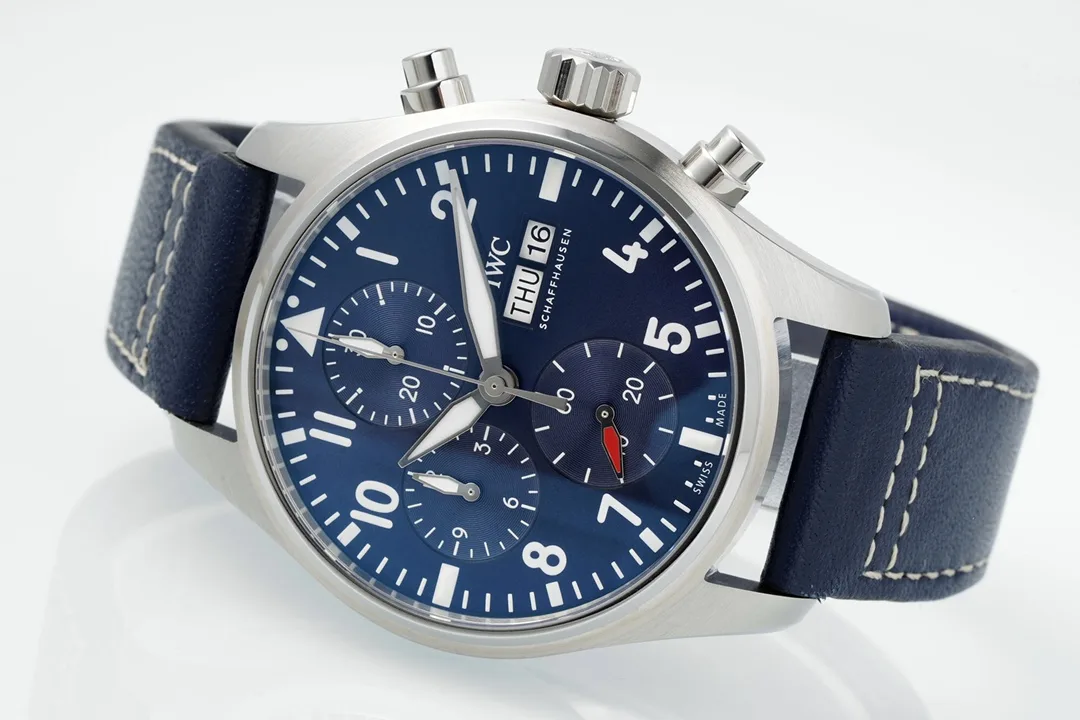
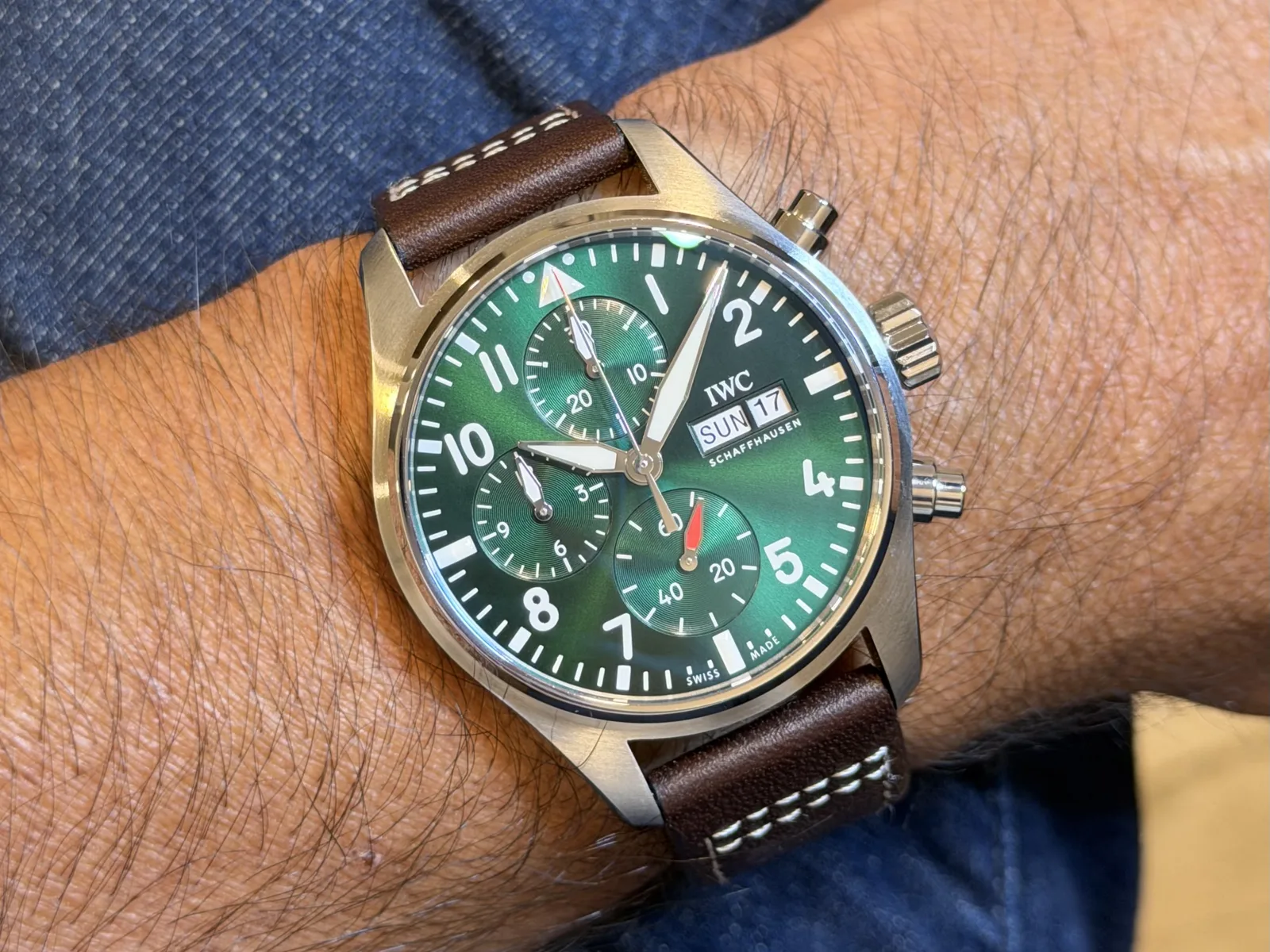
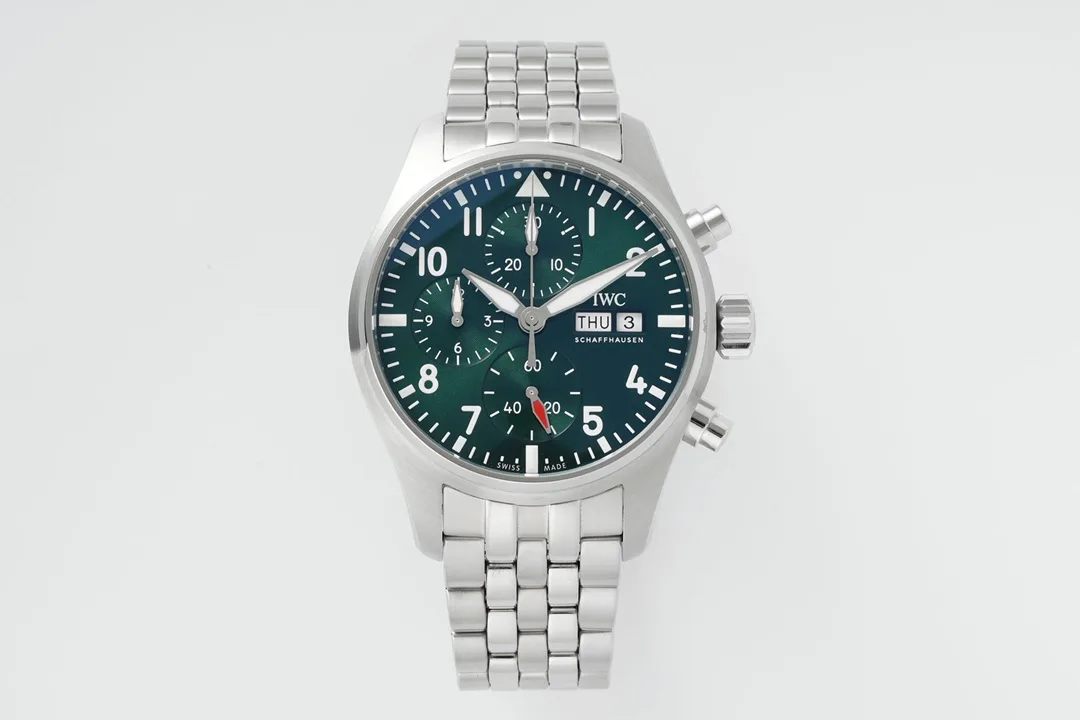
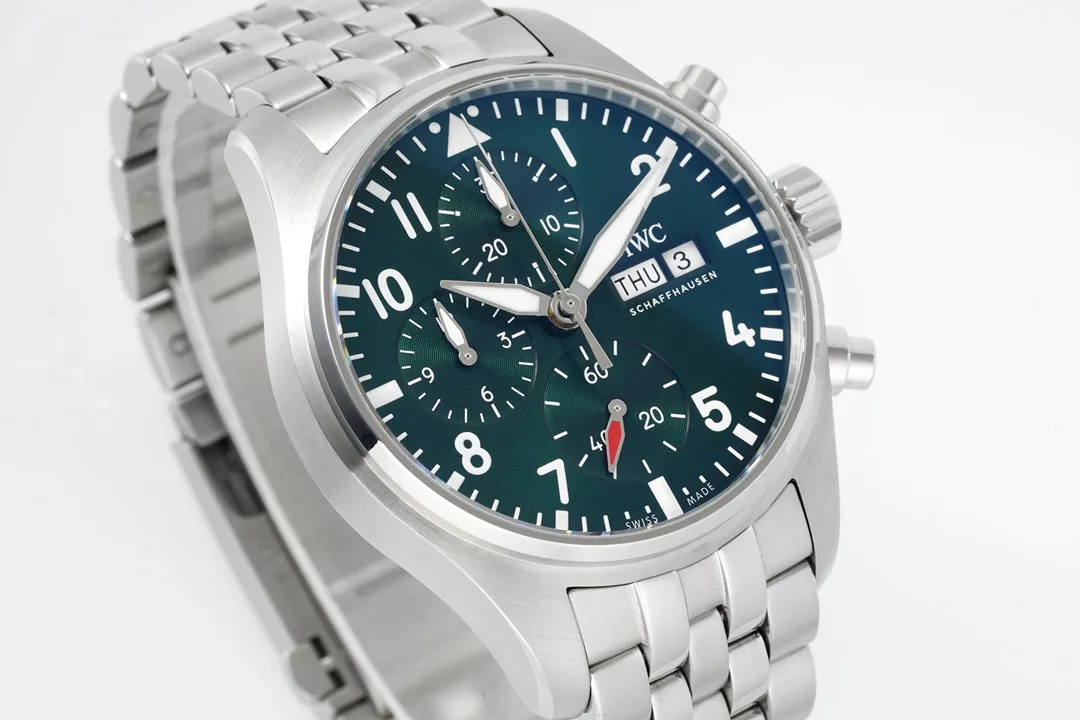
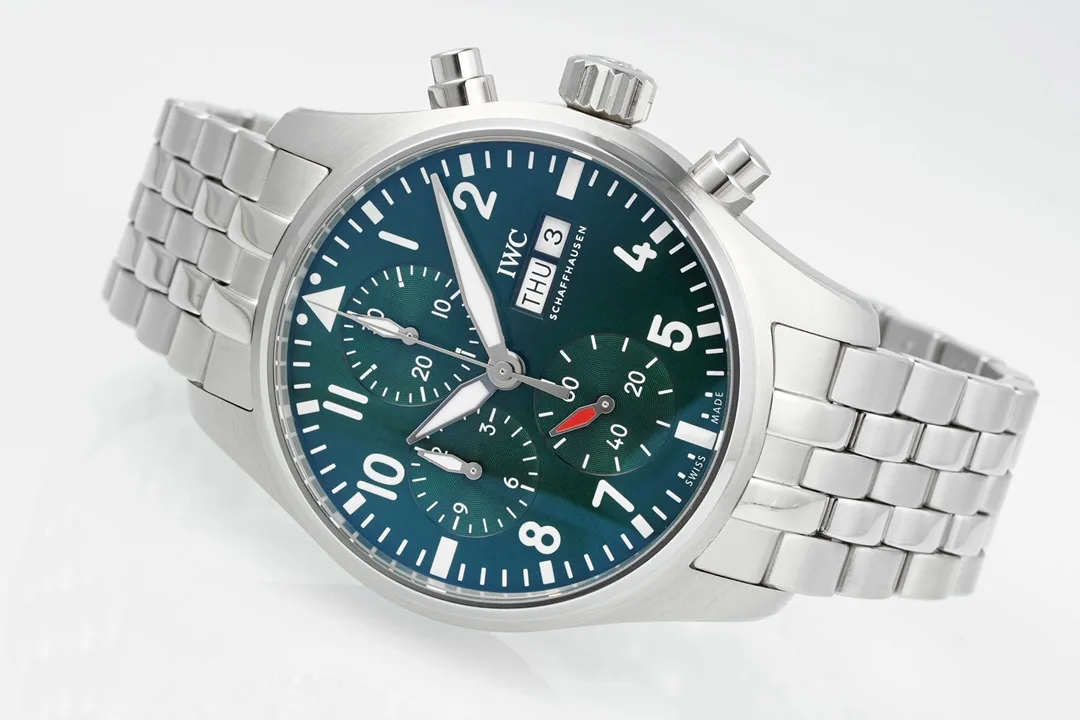
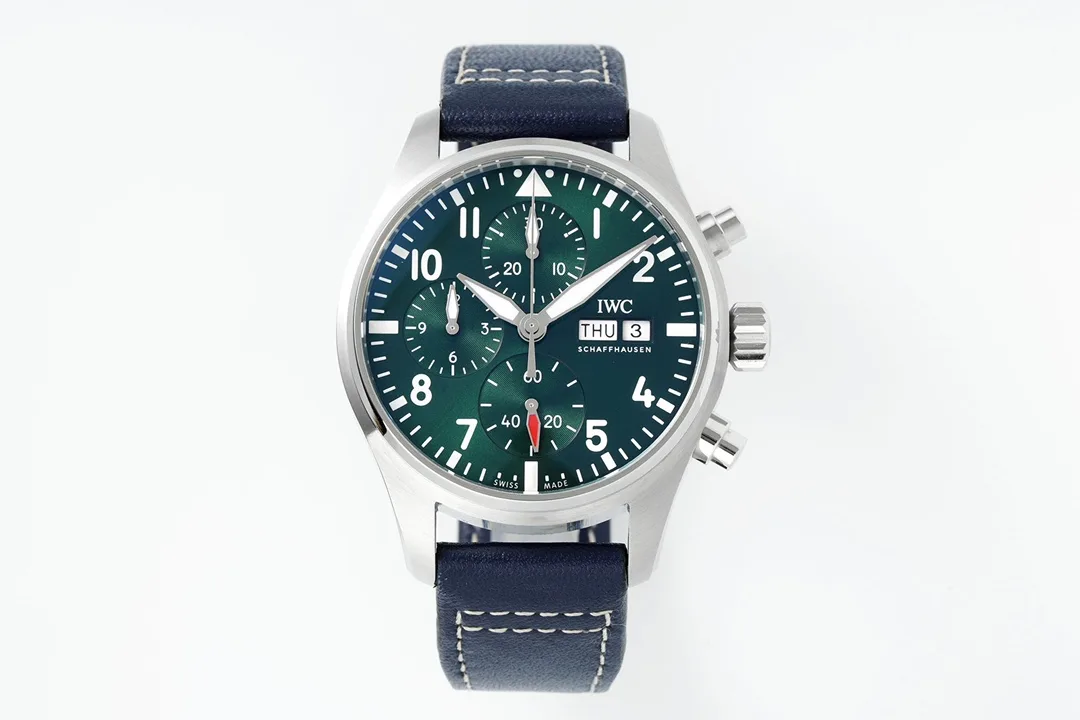
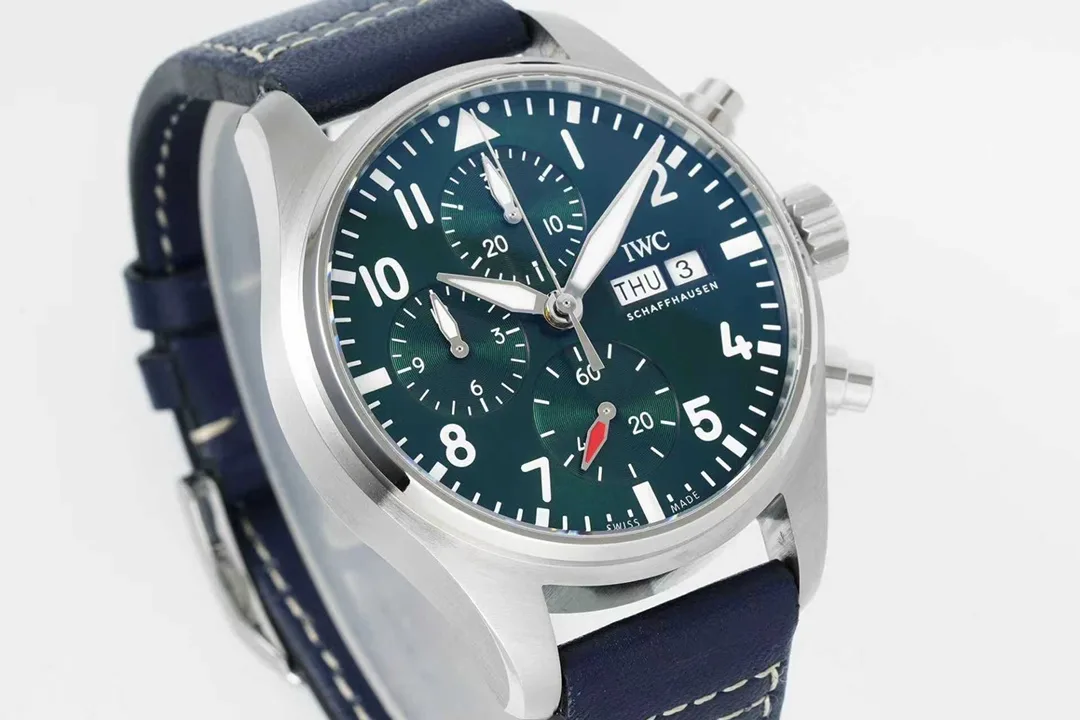
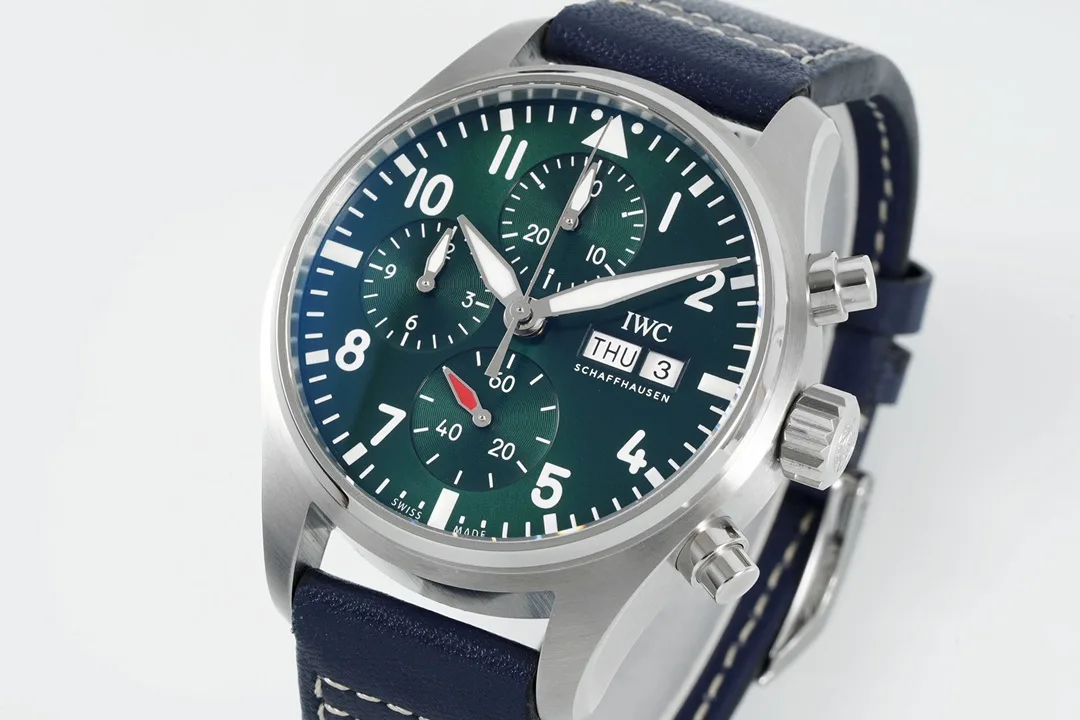
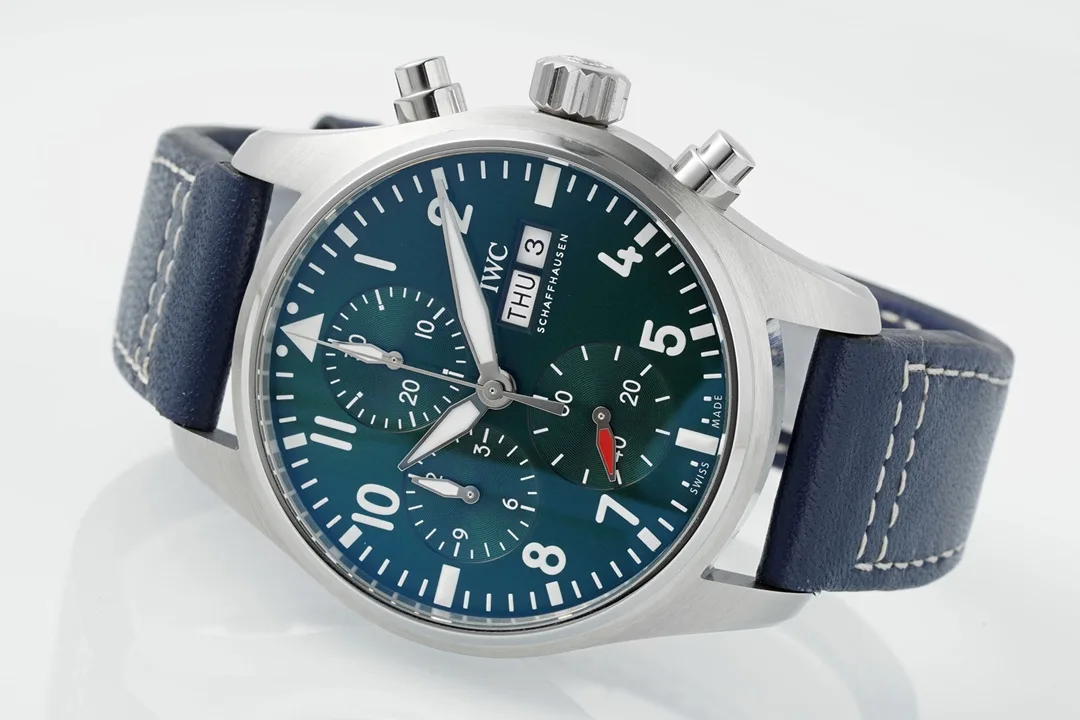
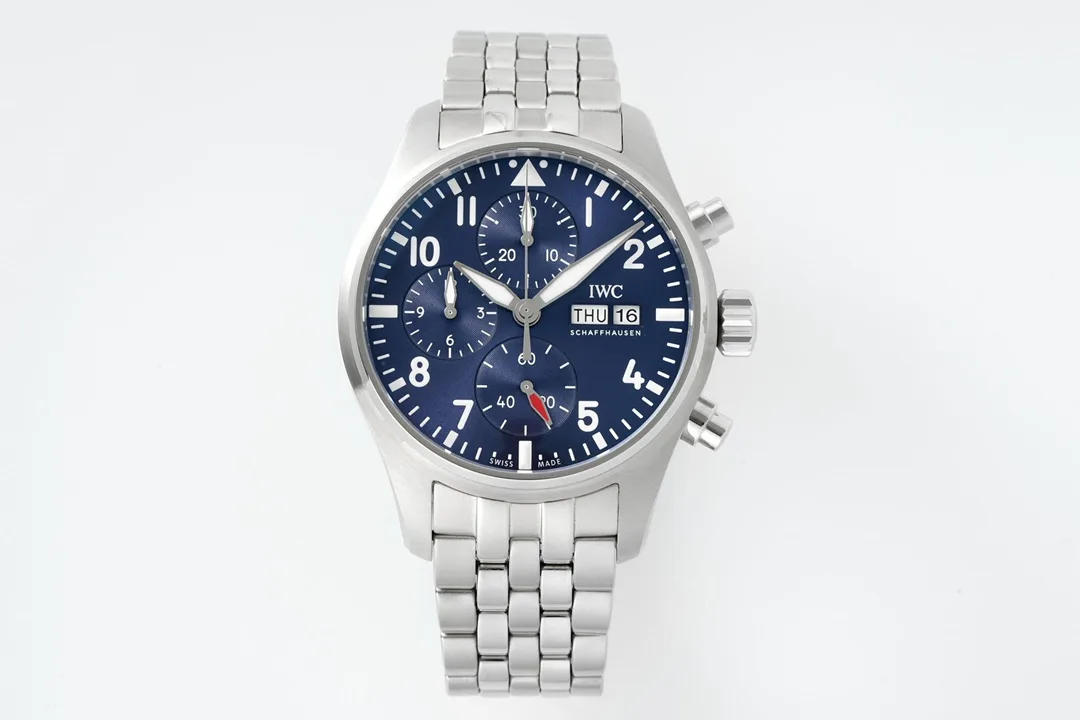
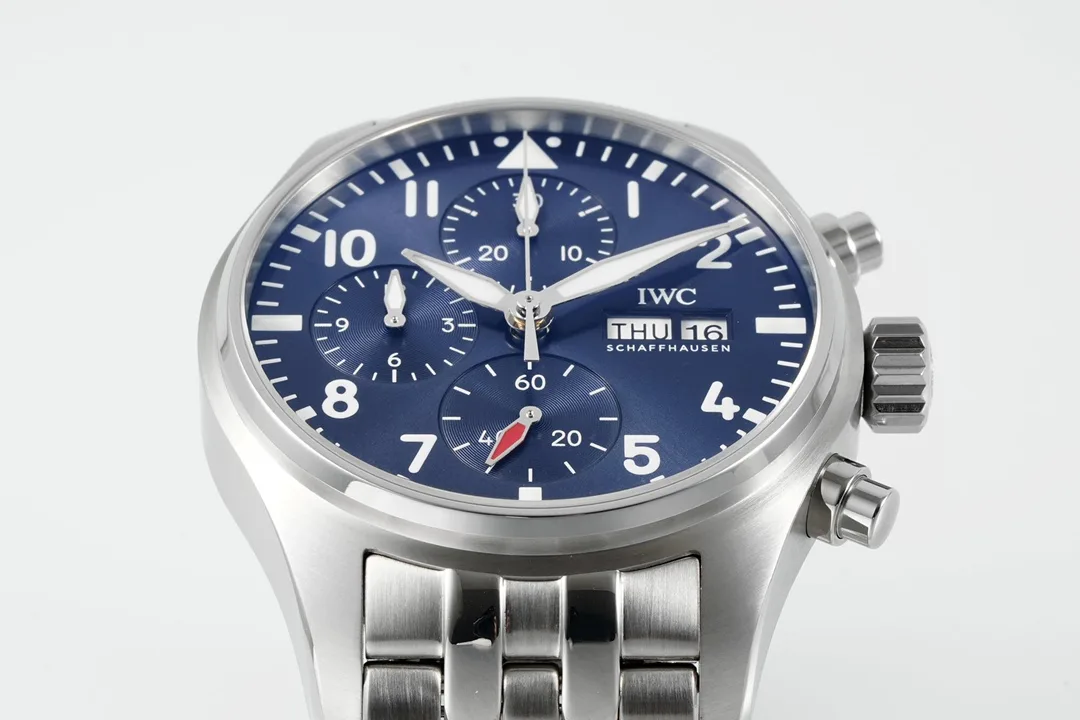
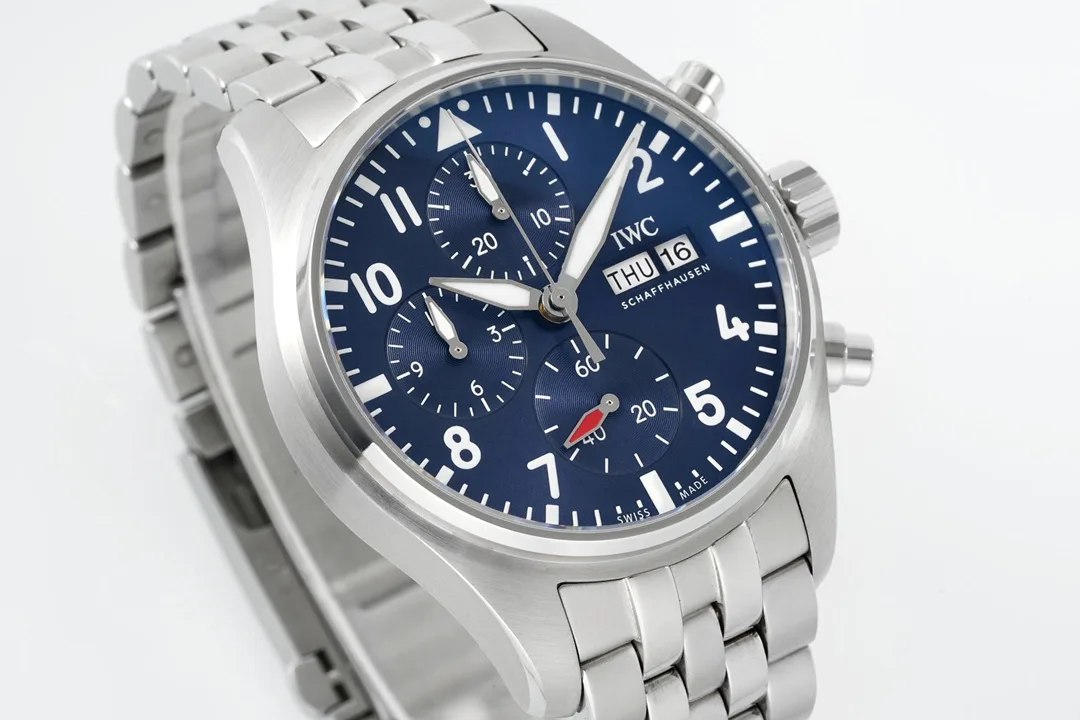
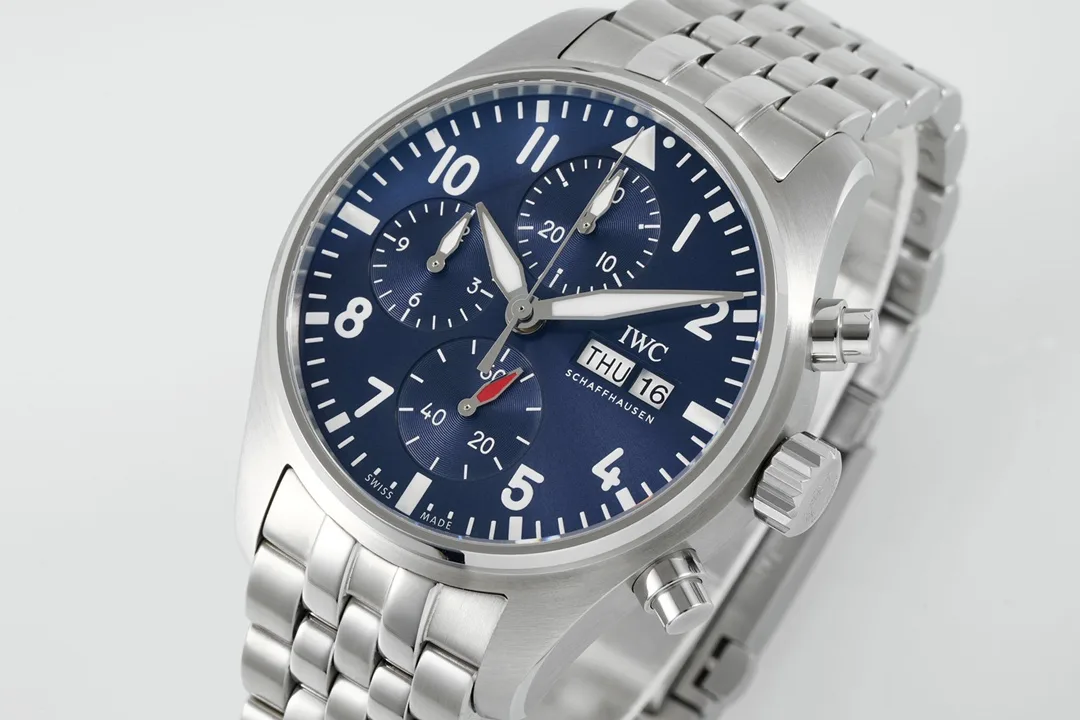
The green is the reason to buy this configuration. Owners consistently describe it as a restrained green indoors that lights up into a sunburst in good light. Several who say they’ve seen the genuine watch agree it’s close. That’s strong anecdotal evidence, not a colour match. The blue version is a useful warning: early owner photos show the purplish cast that has dogged blue sunburst dials from several factories.
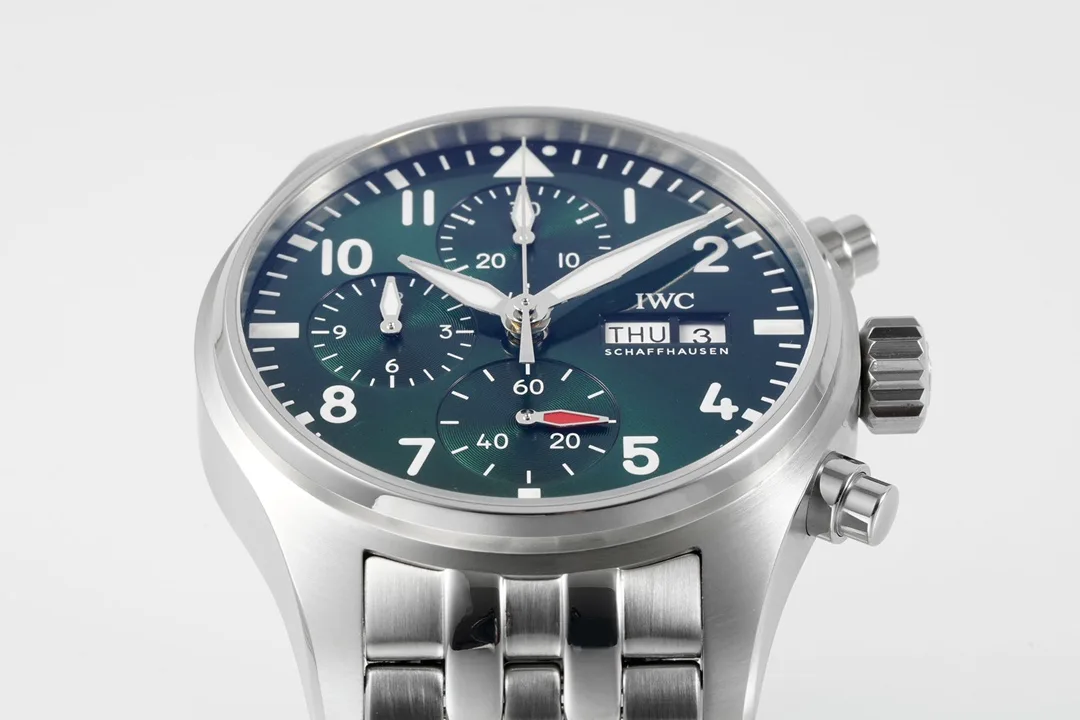
Then the day-date, the thing old 7750 owners complain about first. Owners report it sitting exactly where it belongs. One early buyer noticed the day and date wheels use different type weights, and it turns out the genuine watch does too, which suggests someone did their homework. Alignment still varies, and at least one buyer posted QC photos with a date sitting slightly off. That’s a QC conversation, not a design flaw.
Several owners also single out the crystal’s anti-reflective coating, describing the same faint blue haze and “disappearing” effect as the genuine watch. A sceptic pointed to video comparisons and questioned whether it truly matches. Fair enough. Nobody is calling it a weak point, which is more than most replica crystals manage.
The movement: right architecture, open questions
A detailed independent teardown of an APSF example, posted soon after release, supports the broad claim. It describes a Dandong-made movement that copies the genuine design closely, part for part, including the horizontal (oscillating pinion) clutch the genuine calibre uses. It also warns that servicing needs proper chronograph tools, torque screwdrivers and an experienced watchmaker. The movement was clean, with grease used alongside oil on high-friction parts, sometimes too generously. Not Swiss standards, but better than the dry movements this hobby is used to. Whether genuine parts swap in is still unproven.
The genuine calibre runs at 4 Hz with around 46 hours of reserve, unverified on the clone. One owner reports their example running 0 to 5 seconds a day fast on a timegrapher and spot on during its first week of wear. They called that luck, and we agree. The rotor is reportedly loud enough that sensitive owners may want it quietened. On the plus side, owners describe smooth, positive pushers and a clean reset, a real step up from the old 7750 versions.
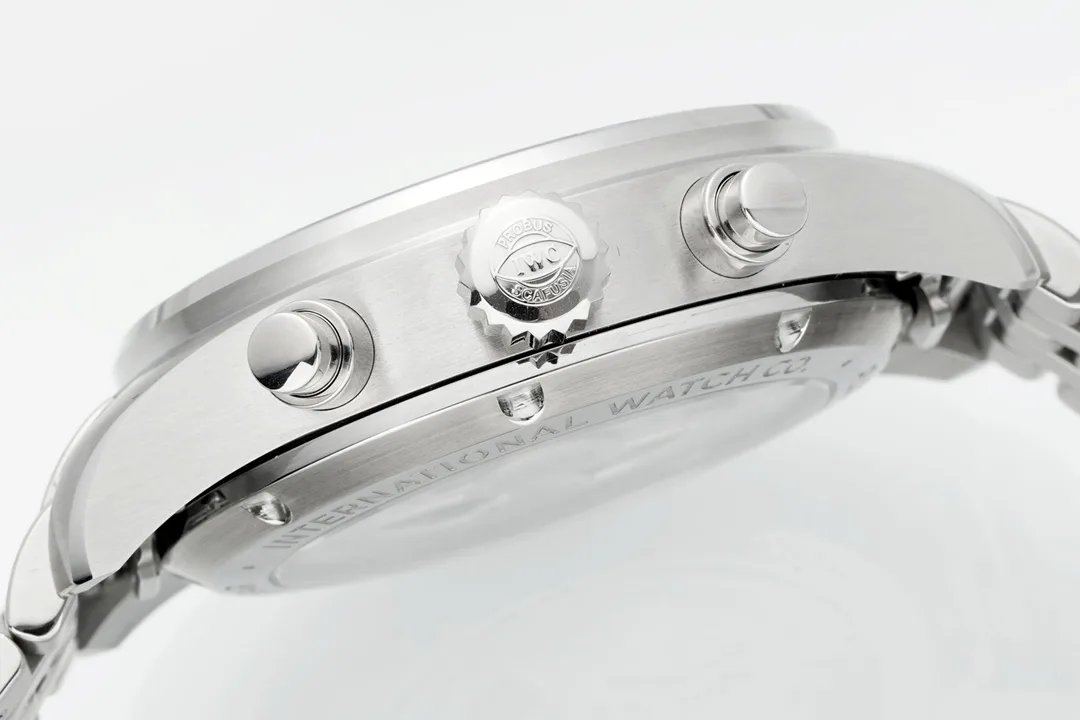
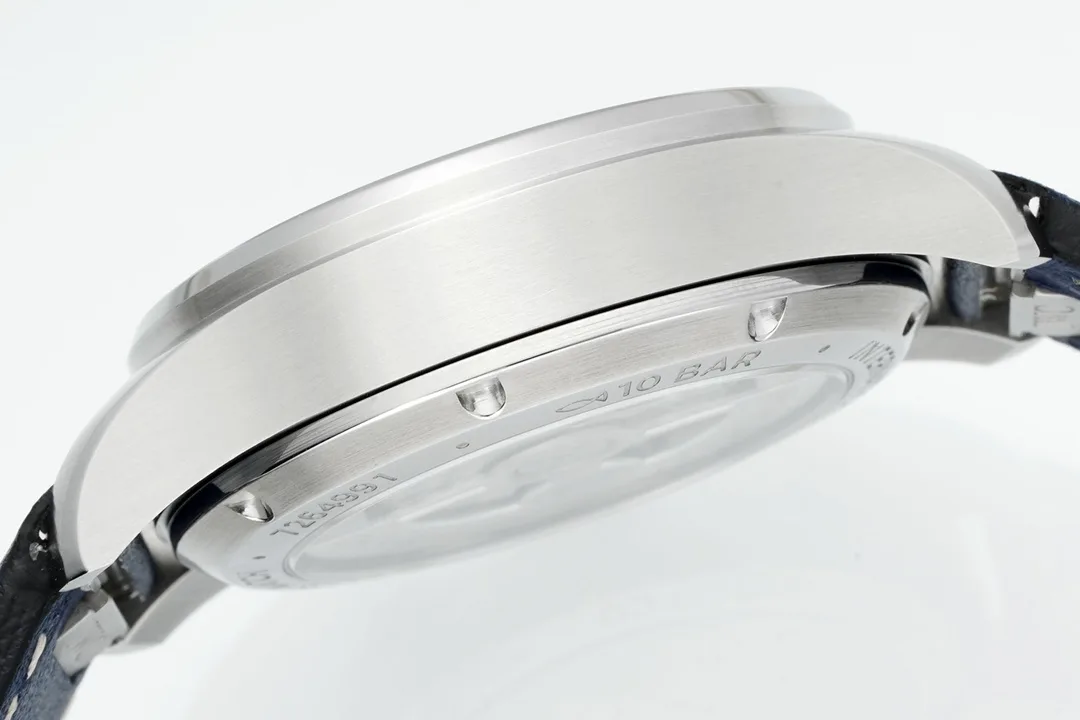
The practical side follows from that teardown. The genuine watch is rated to 100 m, and one owner reports their example passing a 6 ATM test. Treat that as a single data point and pressure-test your own before swimming. More importantly, find a watchmaker who is willing and equipped to open this movement before anything goes wrong. A clever clone is only as good as the person who can service it, and right now that list is short.
Bracelet, rivals and trade-offs
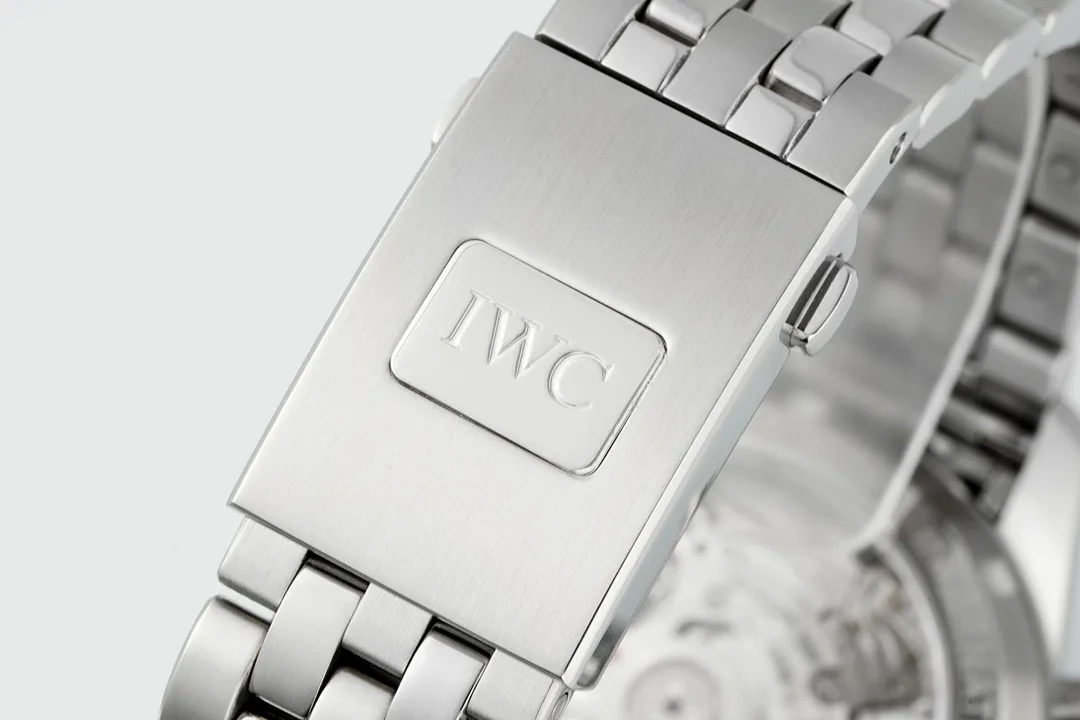
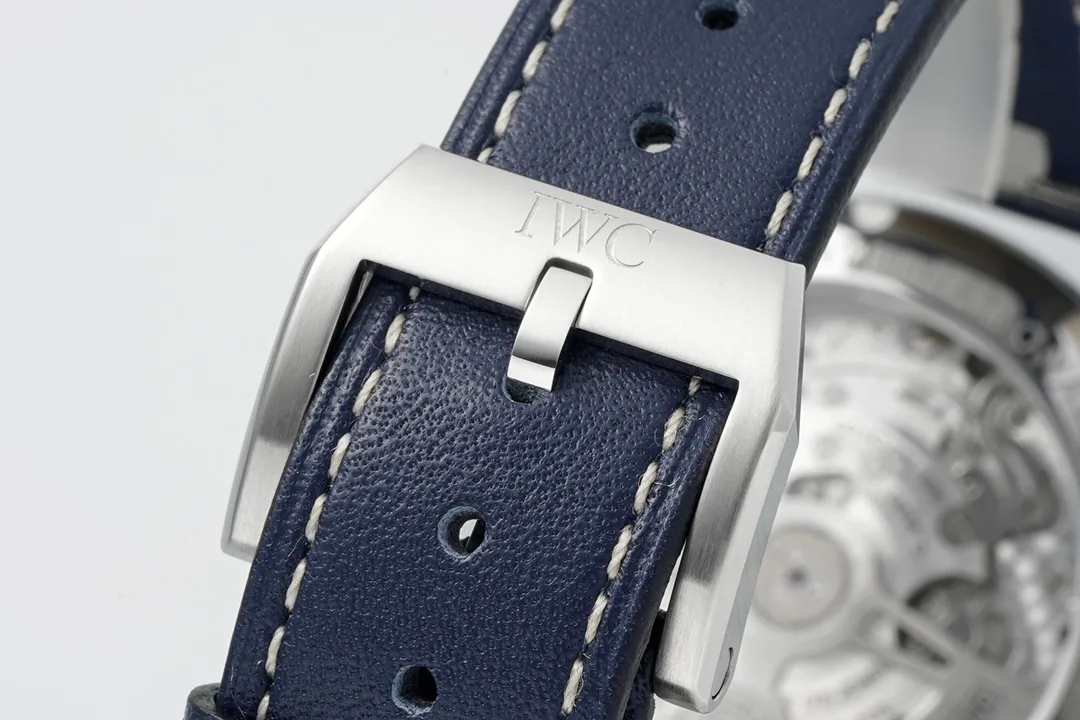
The tapered bracelet uses a quick-release that, according to owners, works like the genuine one, with a firm click going back in. The factory claims compatibility with genuine straps, which nobody has confirmed. One owner who also has the V7F Mark XX says the APSF bracelet’s quick-release actually works better than theirs. A few owners worry about a steeply angled first link flaring on bigger wrists. The first reviewer saw no odd angle, but if your wrist is above about 18 cm, ask for a photo at your size.
As for alternatives, the old 7750-based versions are roughly half the price, according to buyers, but come with the wrong dial layout and an unloved movement. The V7F Mark XX is a slimmer three-hander rather than a rival, and recent unconfirmed raid reports make its availability uncertain. ZF’s older chronographs are mainly the benchmark this watch moves past.
The trade-off is simple: you get the right watch, built around a movement nobody has lived with for long. That’s a fair bet for an enthusiast and a poor one for anyone who needs certainty.
What we’d check before accepting one
- Identity: the 41 mm green on bracelet with the new movement, not an older 7750 listing using similar photos.
- Dial: daylight photos for marker, subdial and day-date alignment, plus a short video of the green.
- Chronograph: a full start, stop and reset on video. All hands should land on zero, every time.
- Timing: a fully wound timegrapher reading, ideally in more than one position.
- Bracelet: the quick-release clicks home, the clasp closes firmly and the first link suits your wrist.
The Repinkee verdict
APSF has done the thing Pilot’s Chronograph fans have wanted for years. It built the watch around the right kind of movement, so the dial no longer has to apologise. The green is the best version so far, and the case and bracelet look properly sorted.
This is the version for the collector who loves the 41 mm Pilot’s Chronograph and has been put off by years of 7750 compromises. What nobody can tell you yet is how the movement ages. We’ll be watching that part closely. Ideally with the chronograph running.
Pilot’s Chronograph 41: tested in green on the bracelet, also offered in blue and black on leather or steel
Factory lineup







Product photos
Green dial, steel bracelet
Product photos
Green dial, leather strap
Product photos
Blue dial, steel bracelet
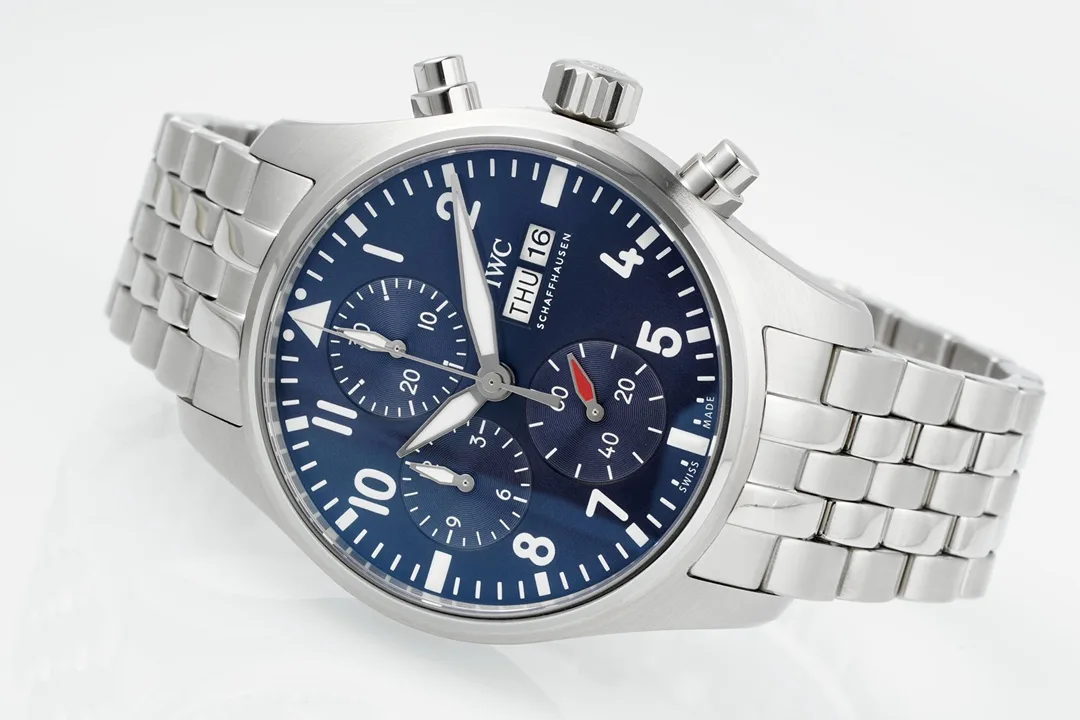
Product photos
Blue dial, leather strap