APSF Royal Oak Chronograph 26240 in Blue: The Flyback Done Right, Mostly
APSF's 41 mm Royal Oak Chronograph 26240, tested in blue and also offered in white, black and green, brings a proper 4401-type flyback. Bezel screws, subdial rings and the bracelet divide owners.
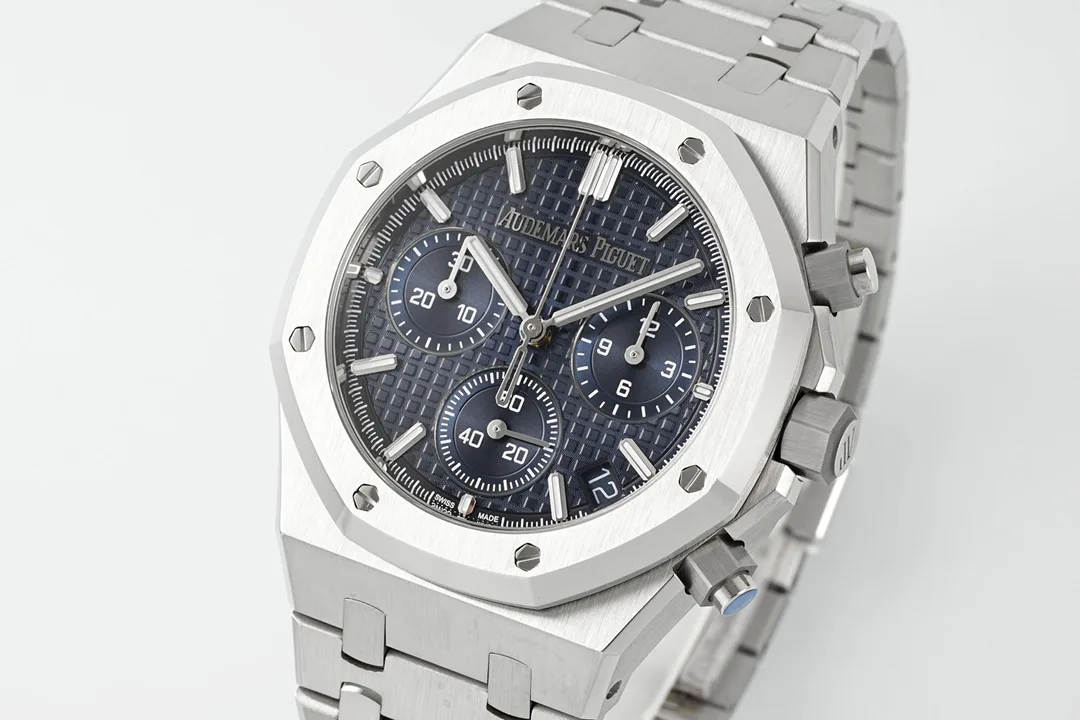
The 41 mm Royal Oak Chronograph has a problem in replica form, and it’s under the dial. For years, chronograph versions of this design used movements that weren’t quite right: subdials in the wrong places, chronograph functions that behaved differently from the genuine watch, and a general sense of compromise. The time-only models were excellent. The chronographs were the ones people bought with their eyes half closed.
APSF’s 26240 is meant to fix that, with a clone of the correct integrated flyback calibre. Owner reports suggest it largely succeeds. The questions now are about finishing, not function, and that’s real progress.
Why this watch matters
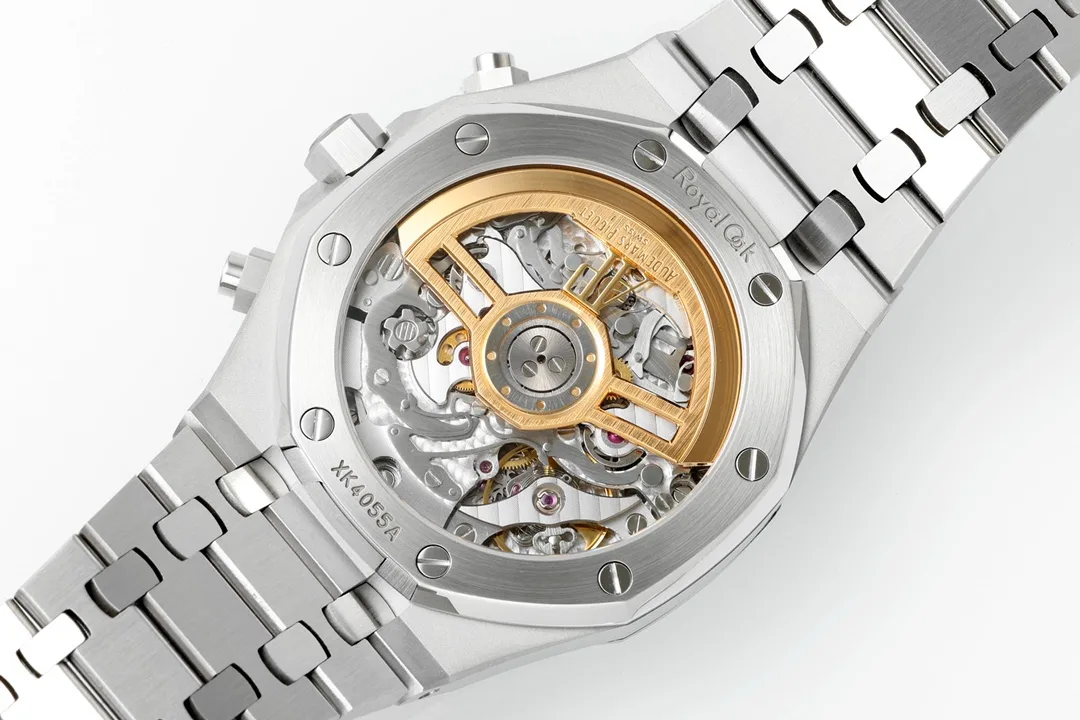
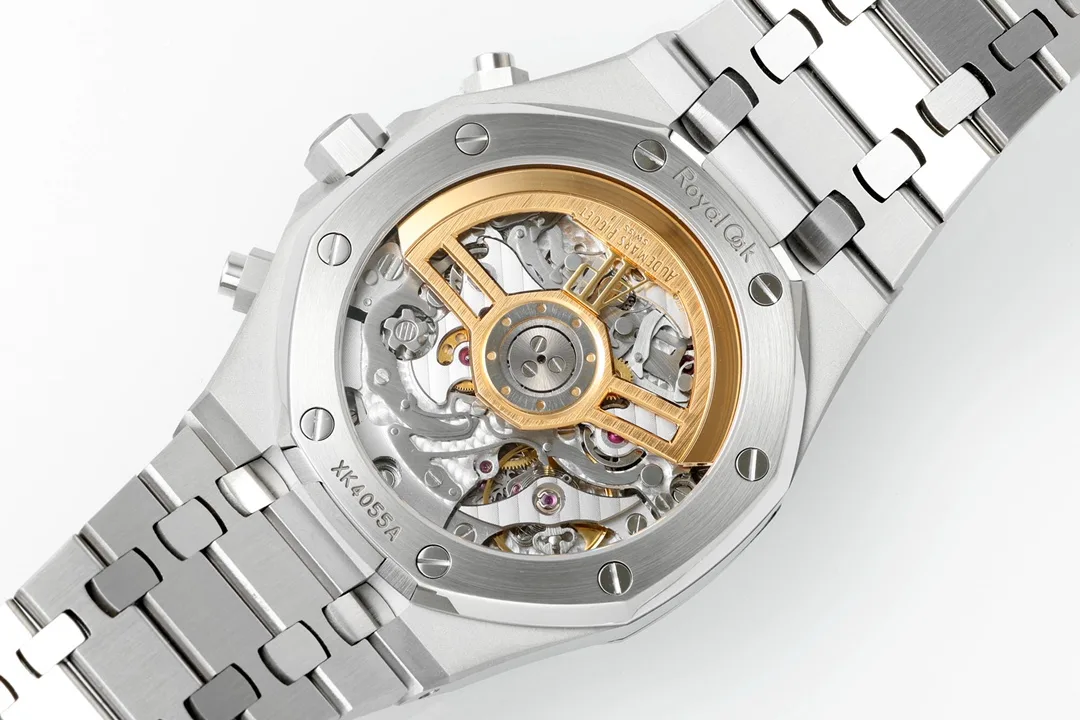
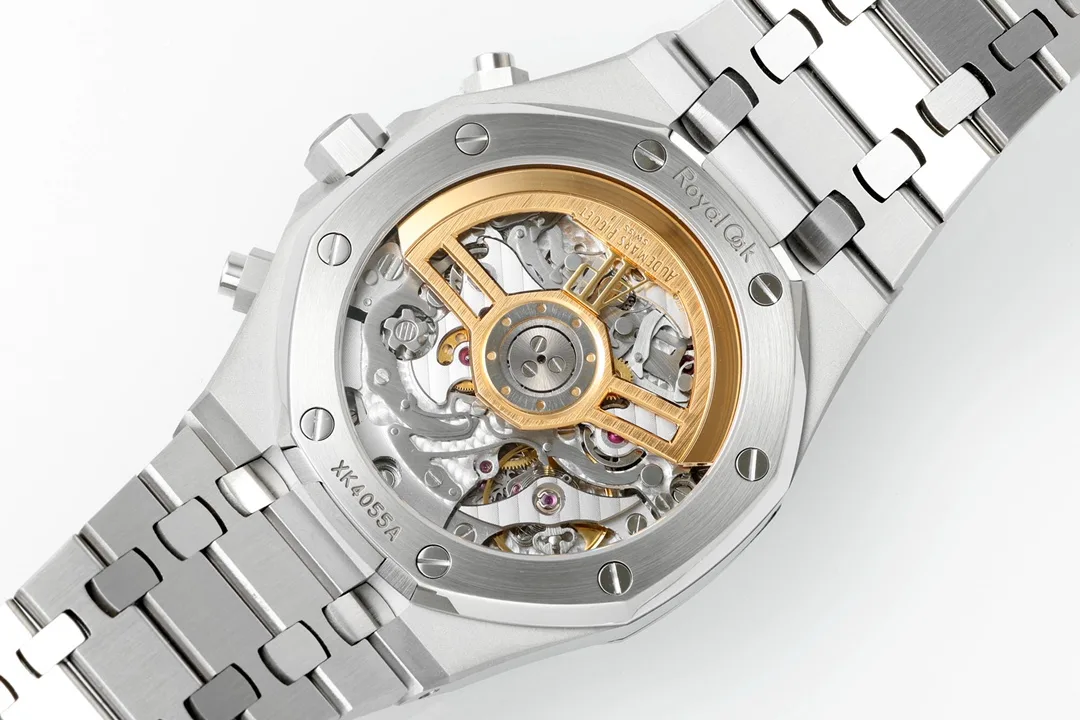
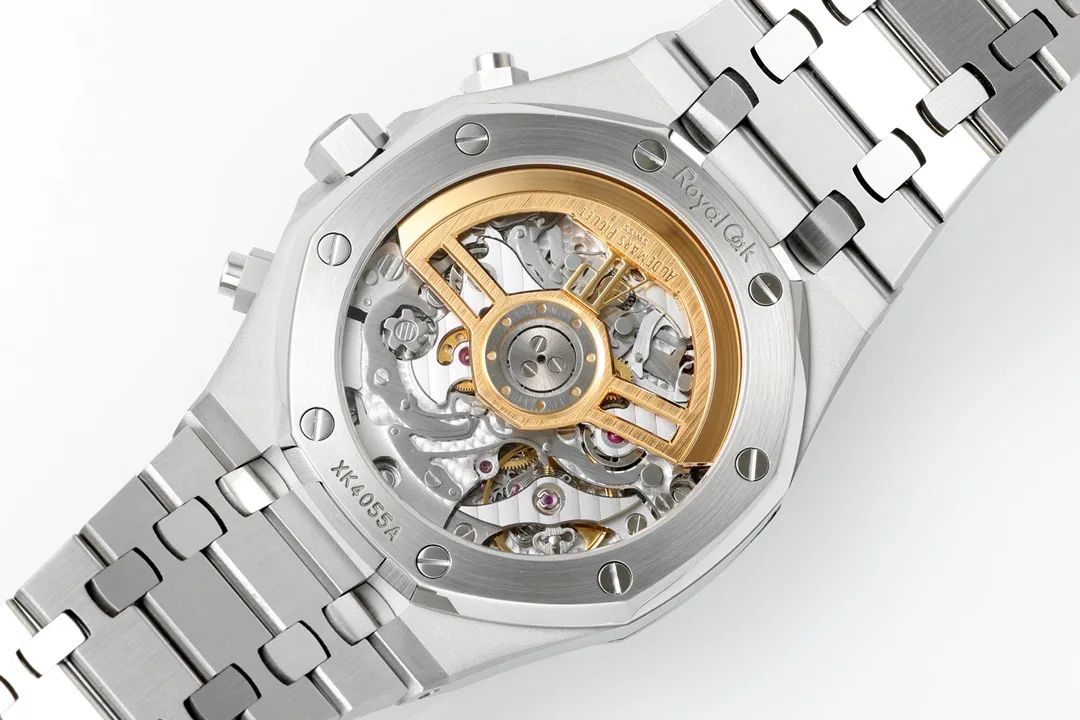
The genuine 26240 replaced the long-running 41 mm chronograph with a modernised version: an integrated in-house flyback calibre, the 4401, with a column wheel, vertical clutch and roughly 70 hours of reserve, visible through a display caseback. The case keeps the octagonal bezel with its eight hexagonal screws, a waffle-pattern dial and three subdials with coloured rings.
That calibre is the key. Earlier replica chronographs used generic movements, which reportedly forced compromises in subdial placement, as a recent review of the factory’s smaller 38 mm chronograph shows. That watch’s movement is reportedly based on a generic chronograph rather than the correct calibre, so its subdials are moved and the hands sit off centre within them. A clone of the 4401 should avoid that, and on the 26240 owners don’t report it.
The blue dial and the range
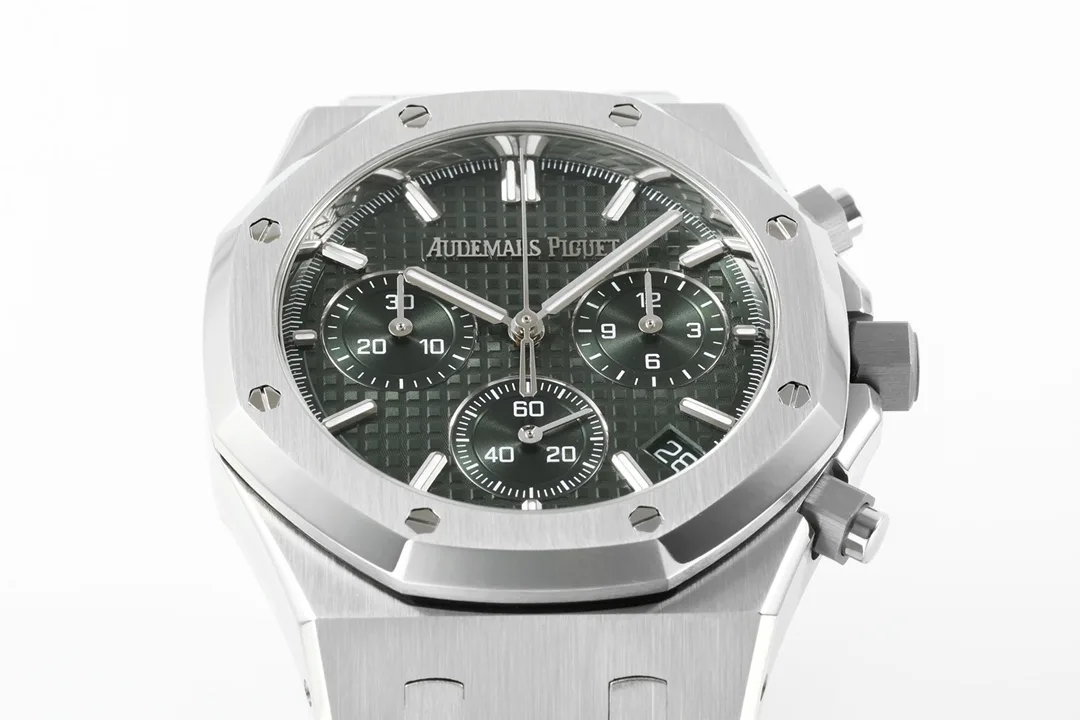
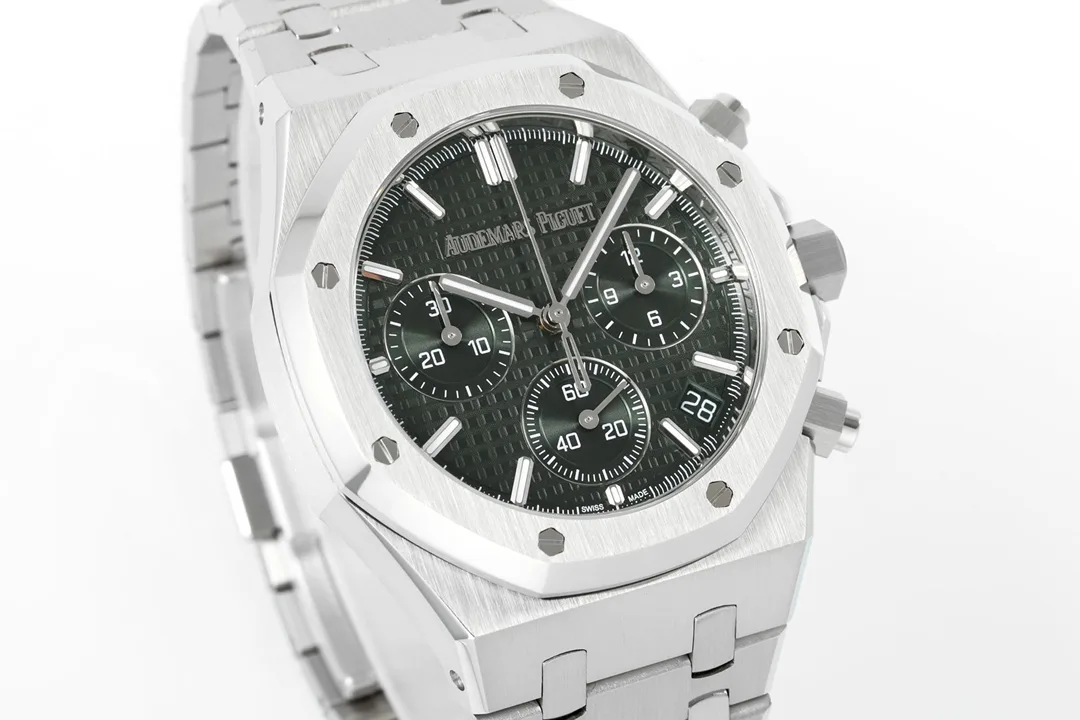
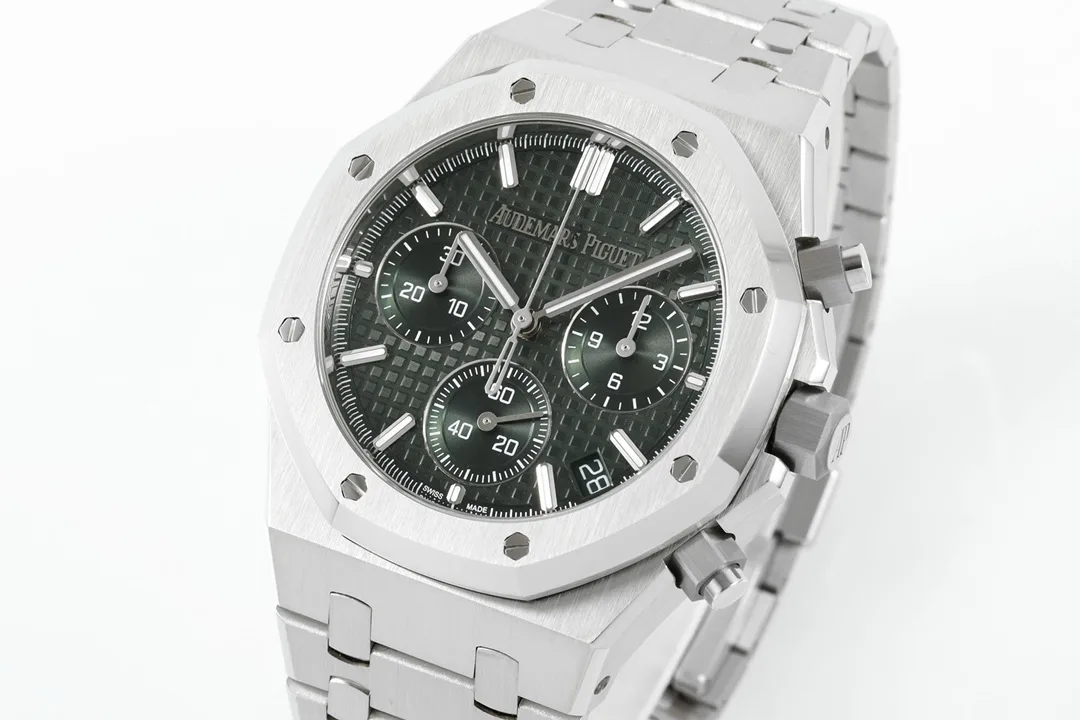
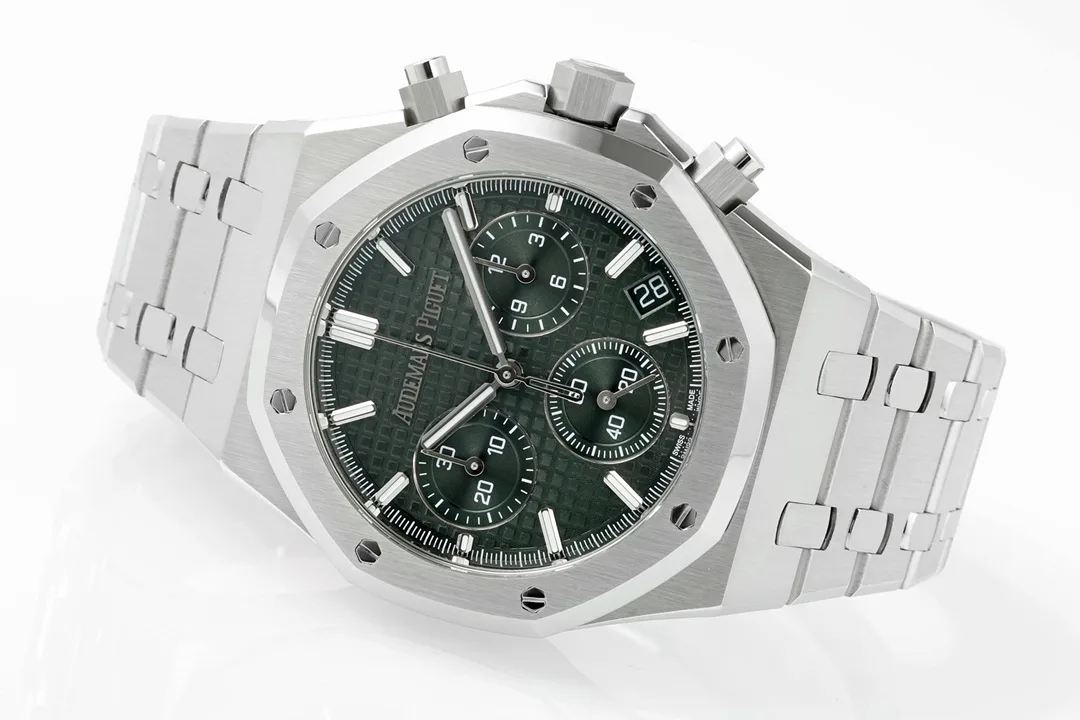
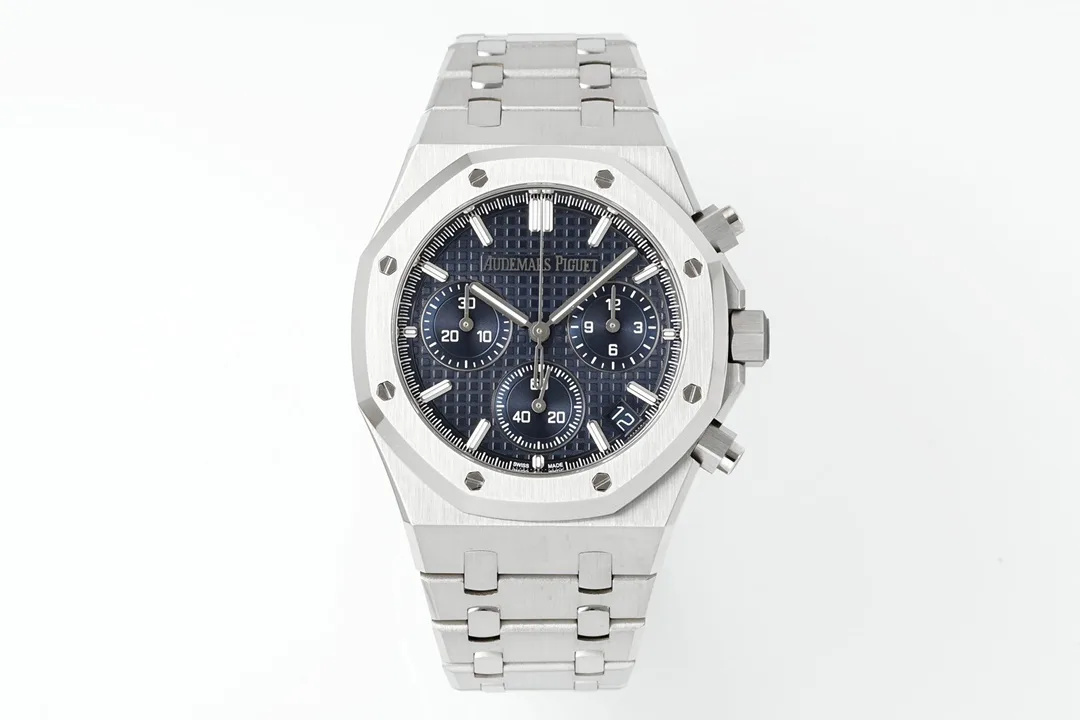
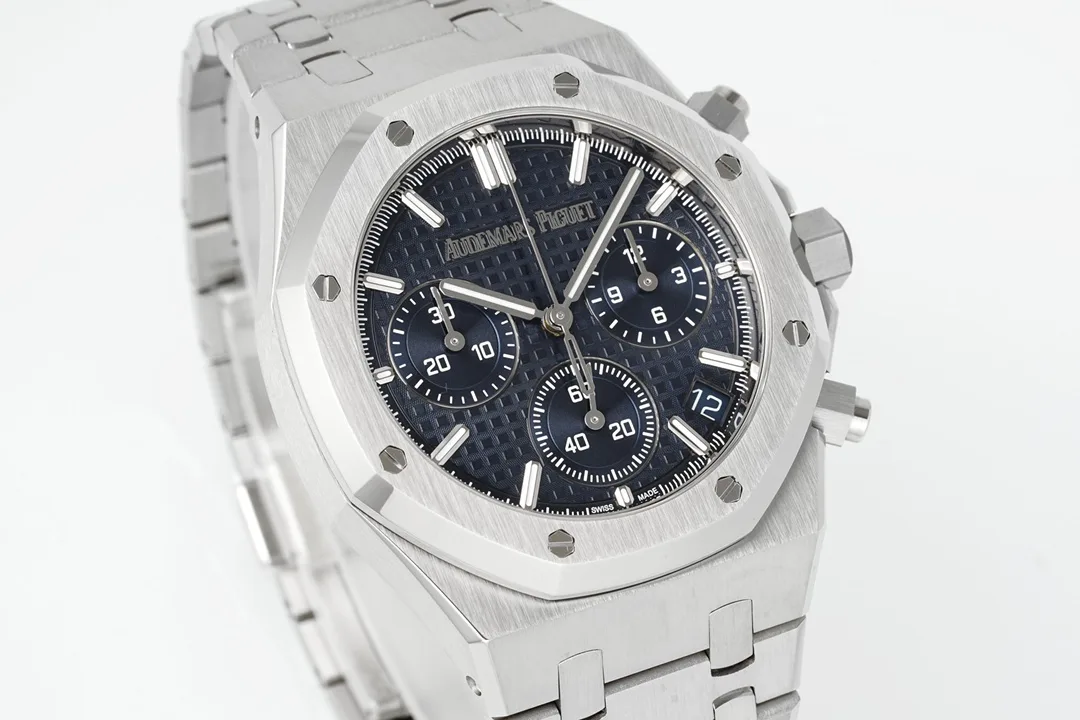
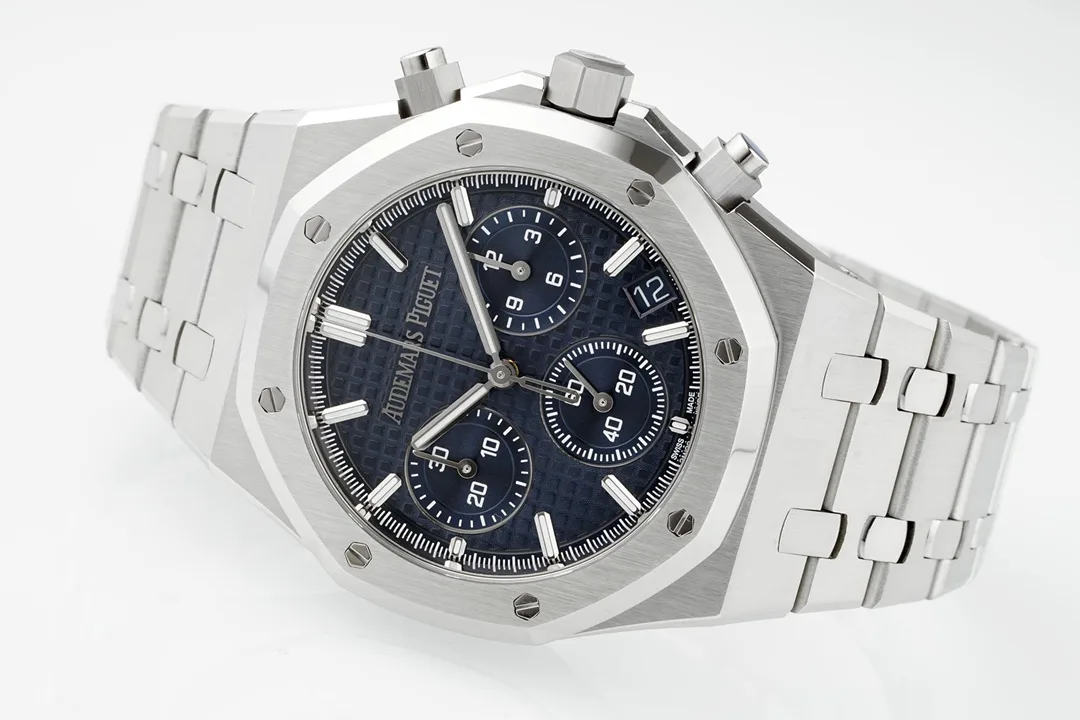
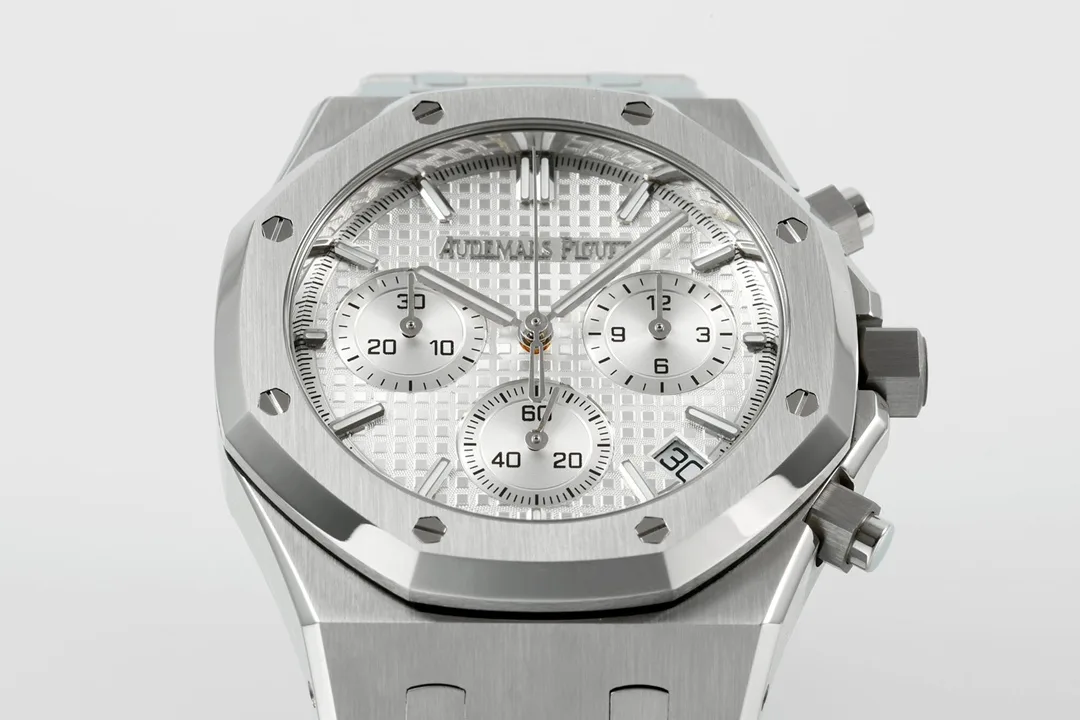
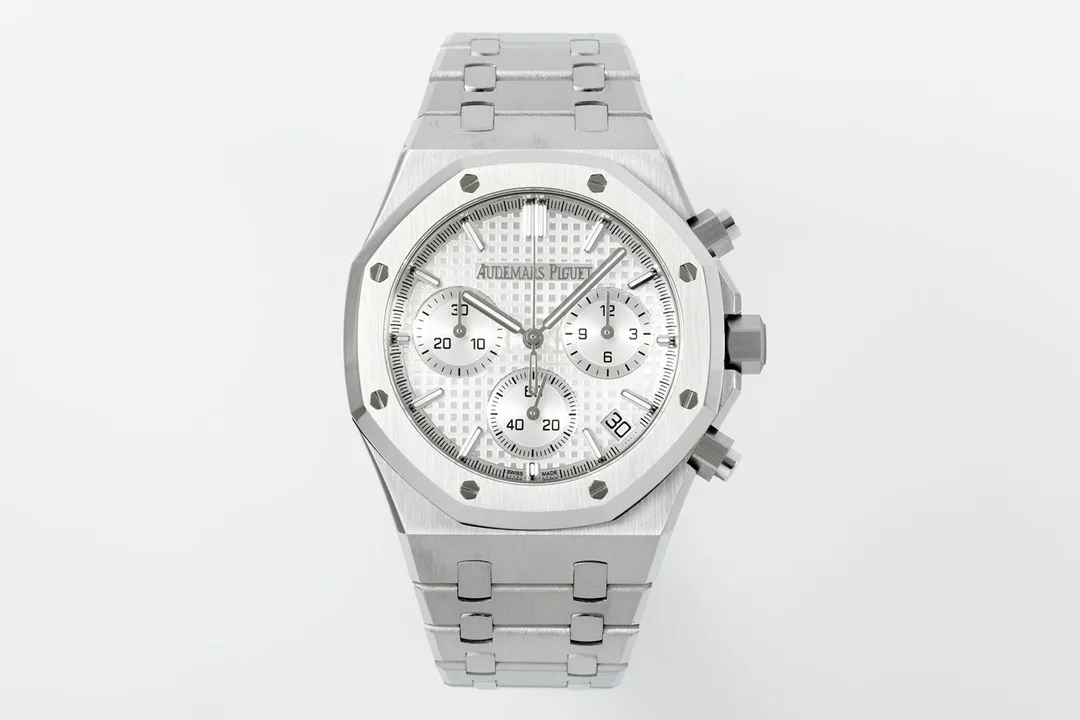
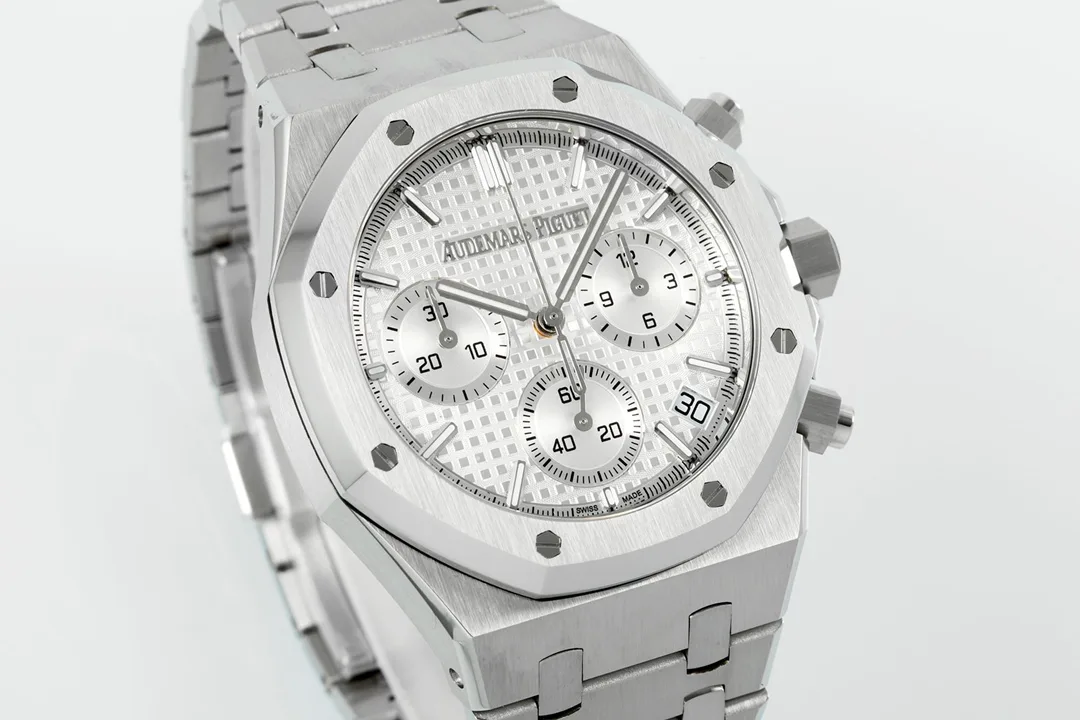
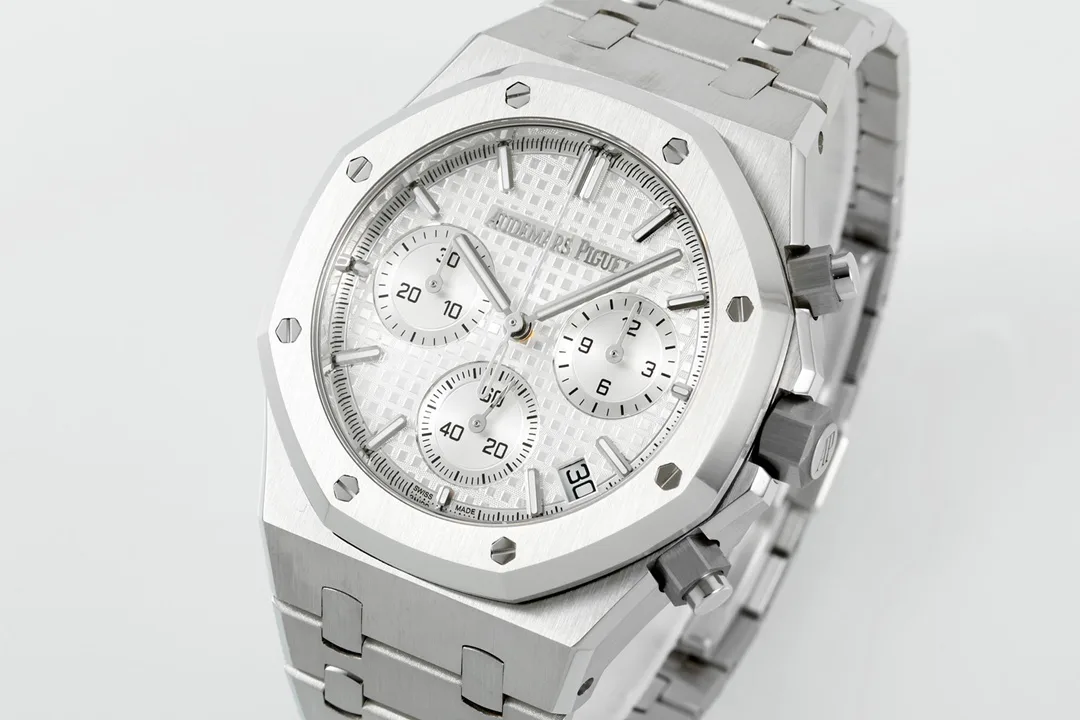
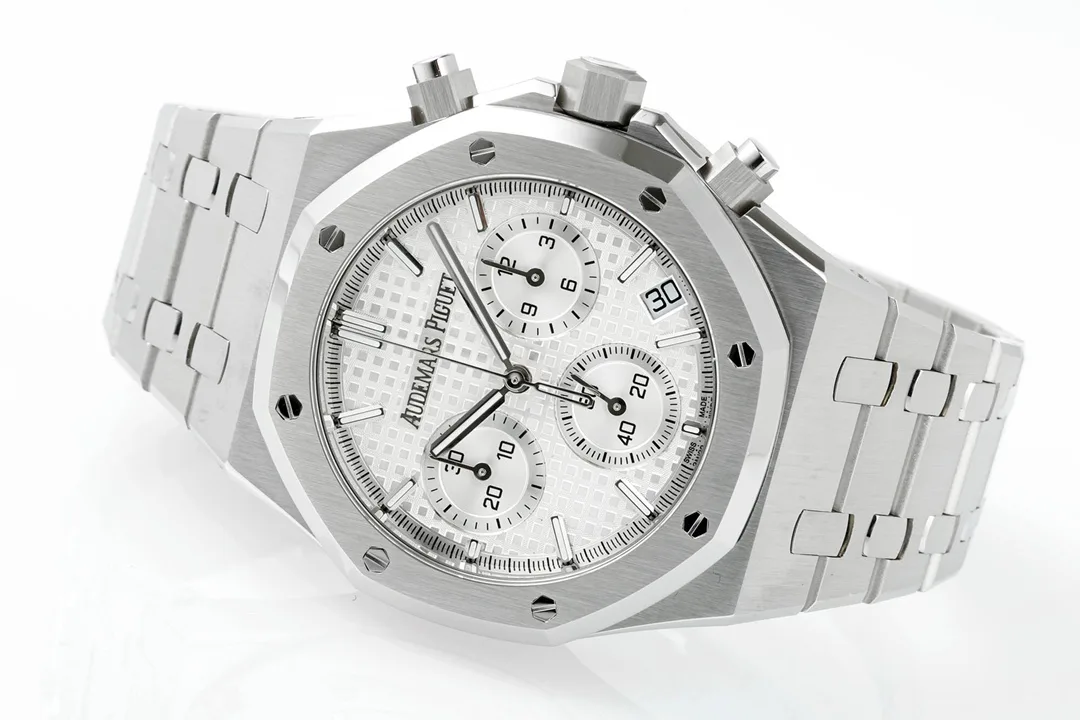
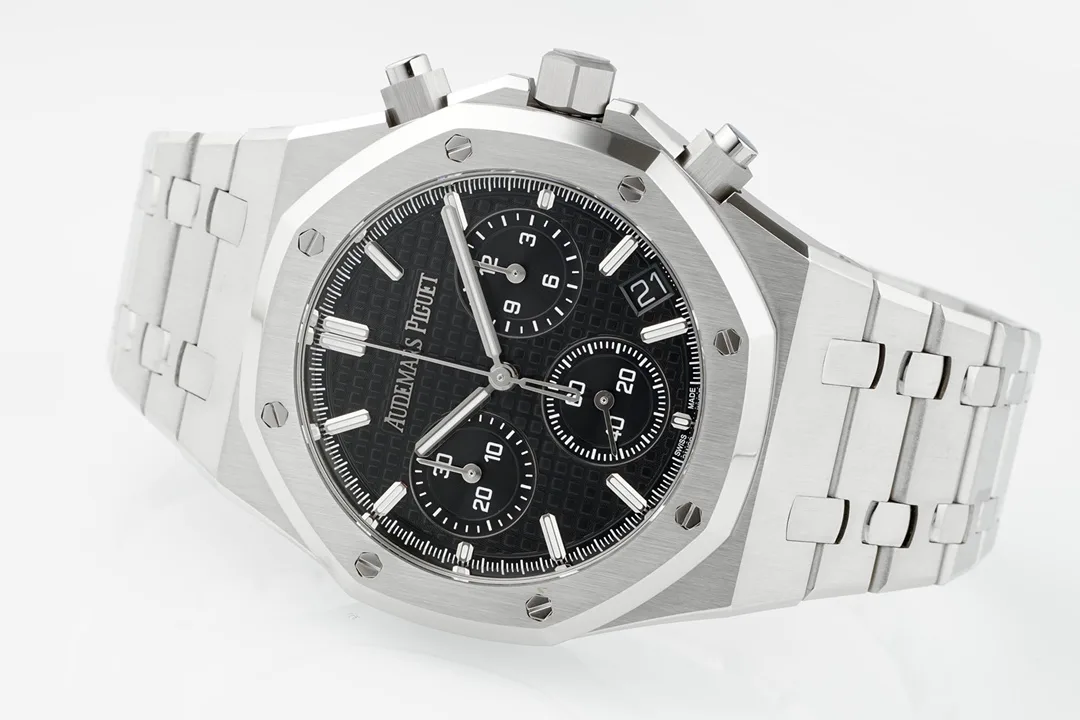
APSF’s 26240 has been offered in steel with blue, white, black and green dials, as well as other materials. Blue is the obvious choice, and the catalog photos show a deep, even navy with a crisp waffle texture and matching subdials.
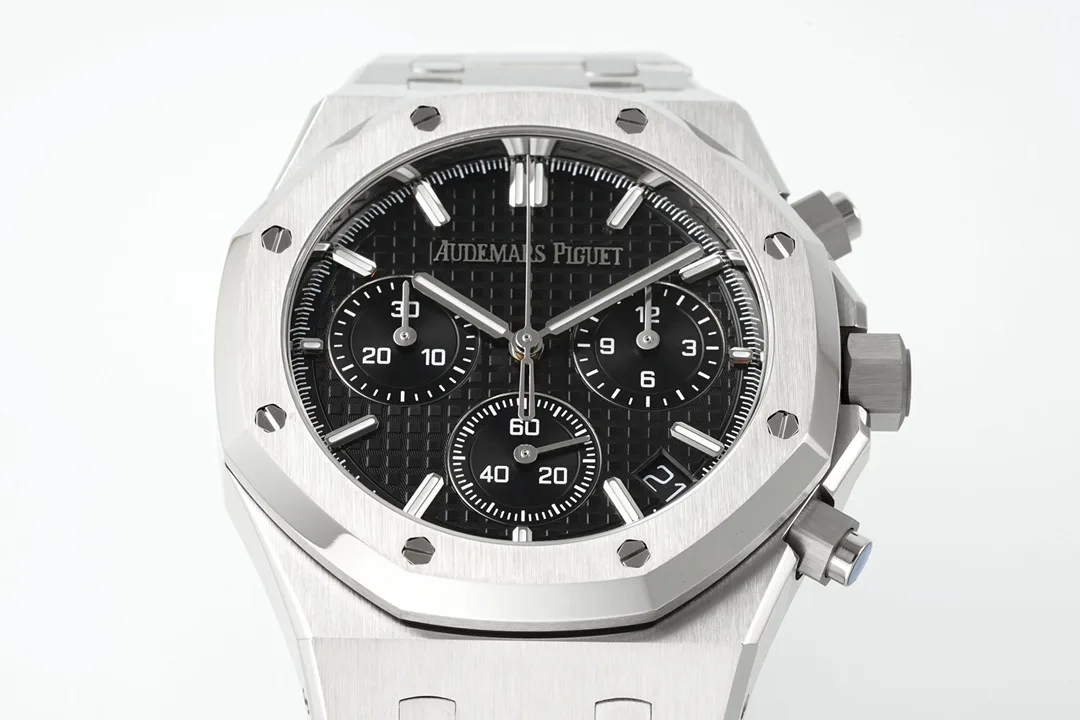
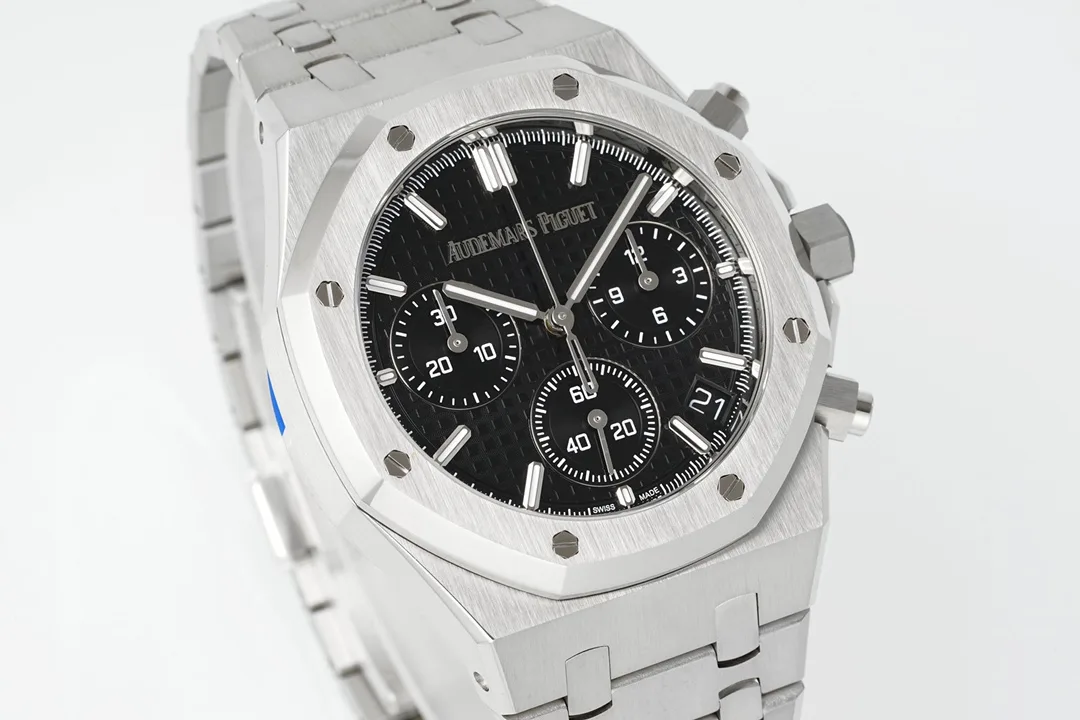
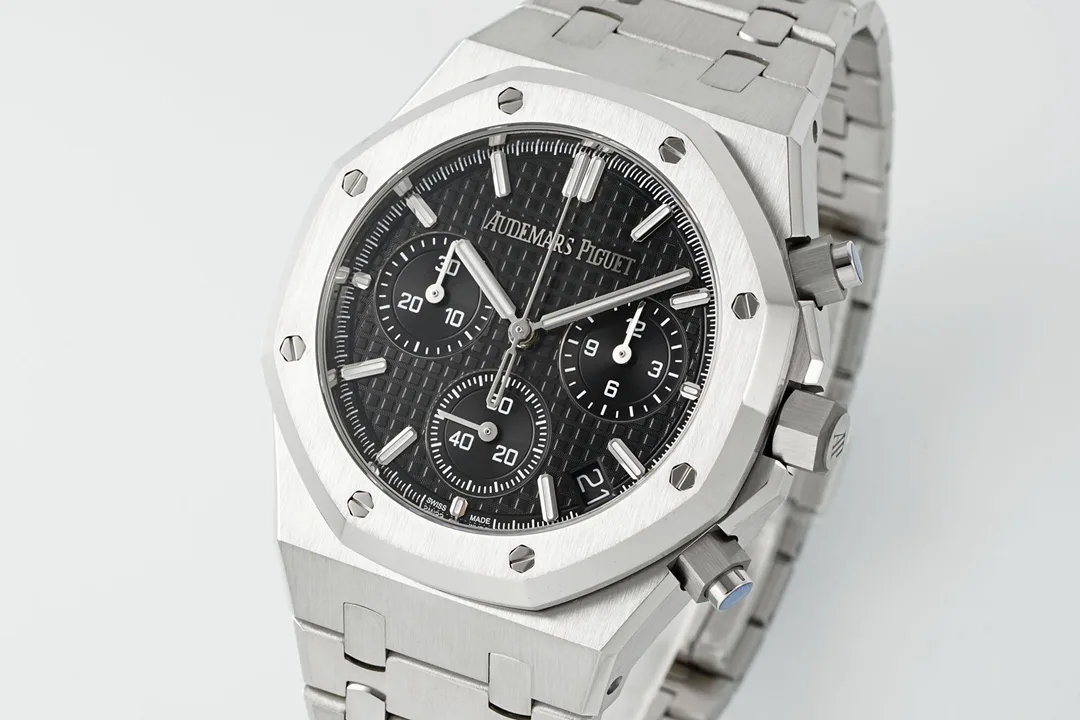
The most consistent dial complaint is the subdial rings. Owners say they’re much fainter than on the genuine watch, where they stand out more clearly. Several suggest an aftermarket dial for anyone who wants the rings to match, though one owner who skipped it still calls the watch a favourite. Owner QC reports otherwise describe clean printing, straight logos and well-aligned indices in most cases, with occasional slight leaning at 3, 6 and 9 and the odd low-set date.
Lume isn’t a major topic in reports on this reference. On the smaller chronograph review, the hands looked slightly greener than the markers in dim light, so it’s worth a quick lume check.
Movement: the reason to buy it
The movement is the headline. A reviewer who tested the chronograph confirms a true flyback: pressing the reset pusher while the chronograph is running sends the seconds hand back to zero, and it restarts immediately. That’s the genuine watch’s behaviour, and it’s still rare in replicas. The factory describes its movement as an integrated 4401 clone with a column wheel and vertical clutch. Treat that as the factory’s claim, but the flyback function supports it.
A newer V2 reportedly adds a free-sprung balance. Owner timegrapher results are encouraging: one reports zero deviation with 327° amplitude and zero beat error, another about −4 s/day with 269°. These are early, single readings, so treat them as encouraging rather than proof of long-term reliability.
As with any free-sprung movement, regulation means adjusting the balance weights, which is specialised work. One owner even suggests avoiding the free-sprung version for that reason. Owners also note that the genuine 4401 has a reputation for chronograph-minute drift, and have asked whether the clone inherits it. We haven’t seen confirmed reports either way.
Case and bezel screws
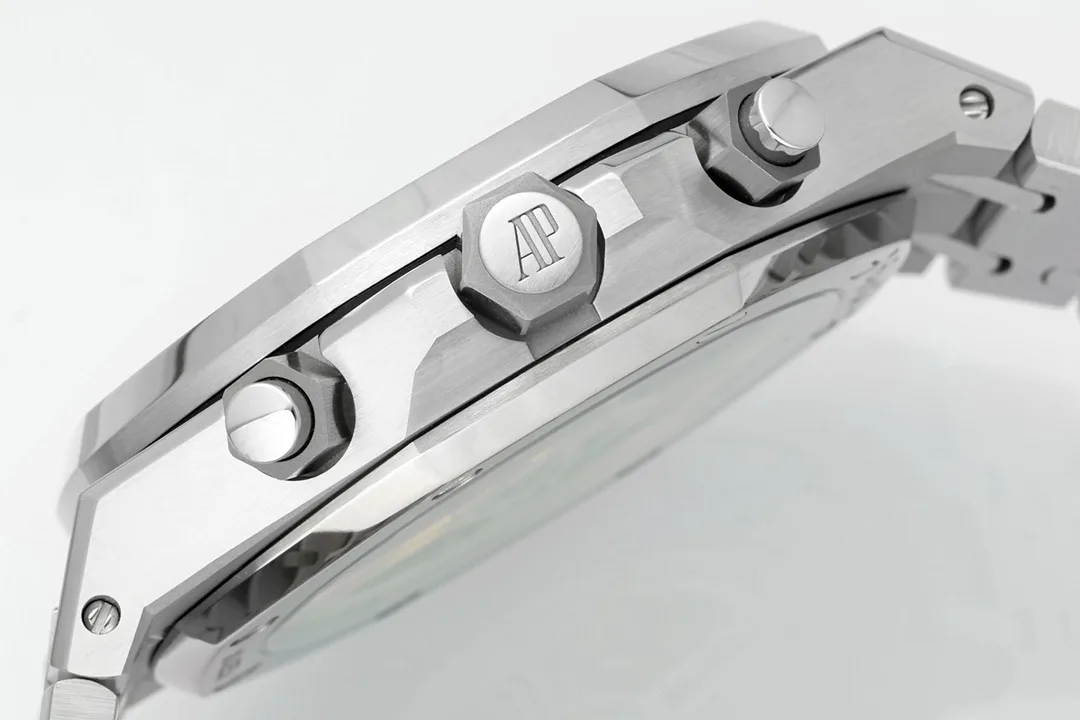
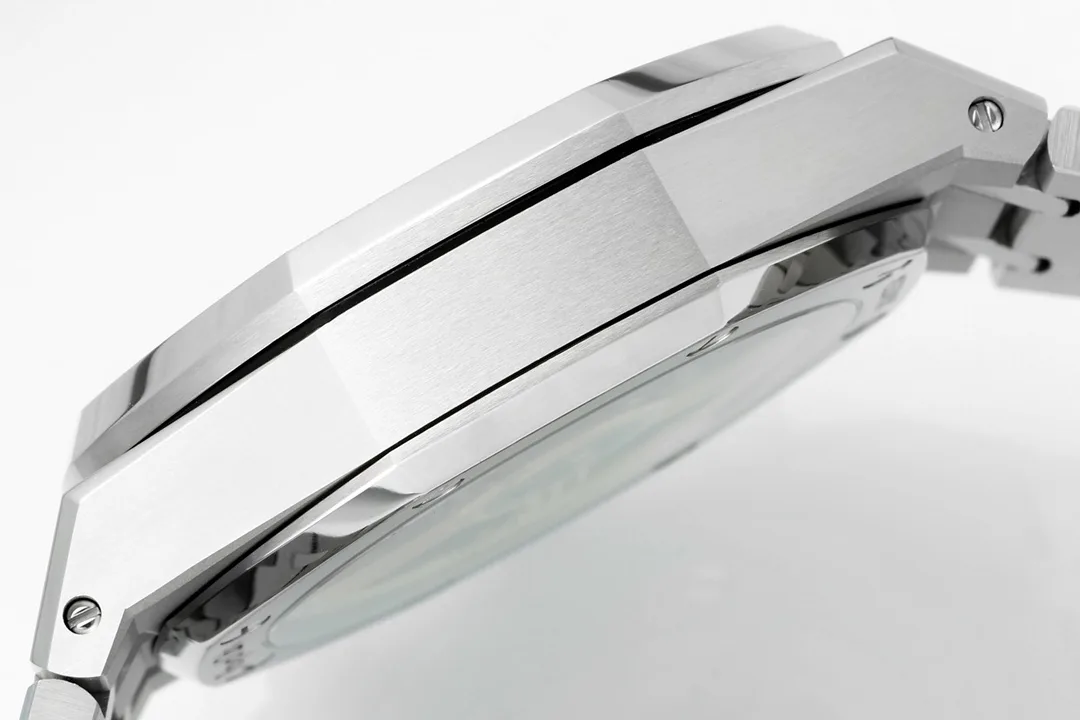
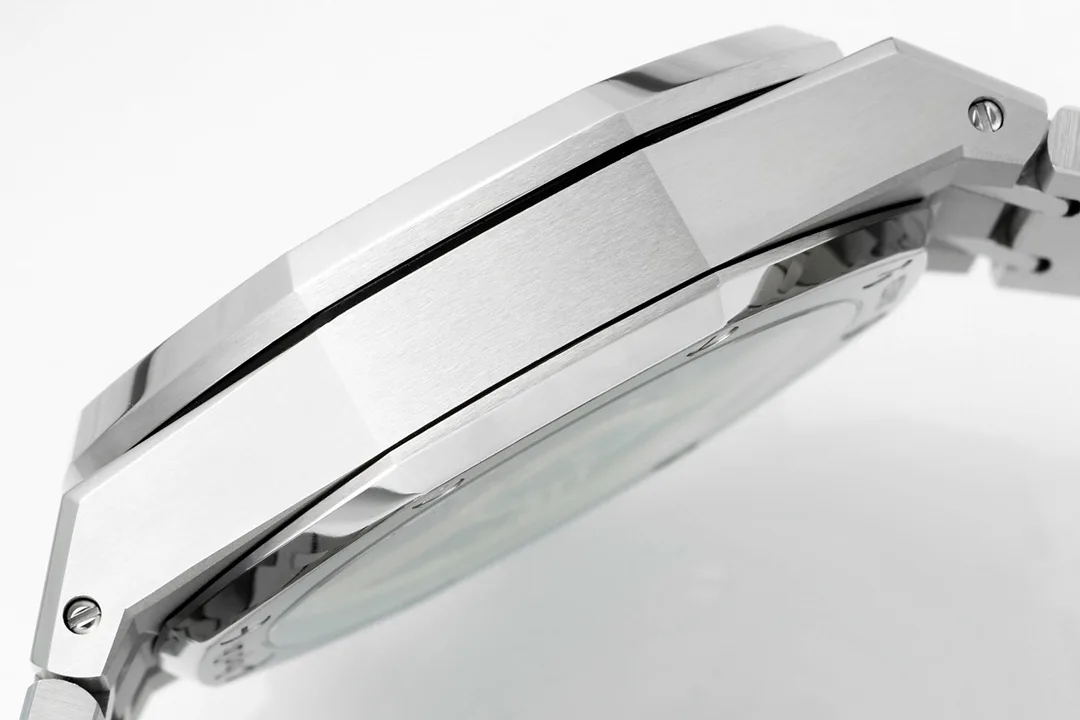
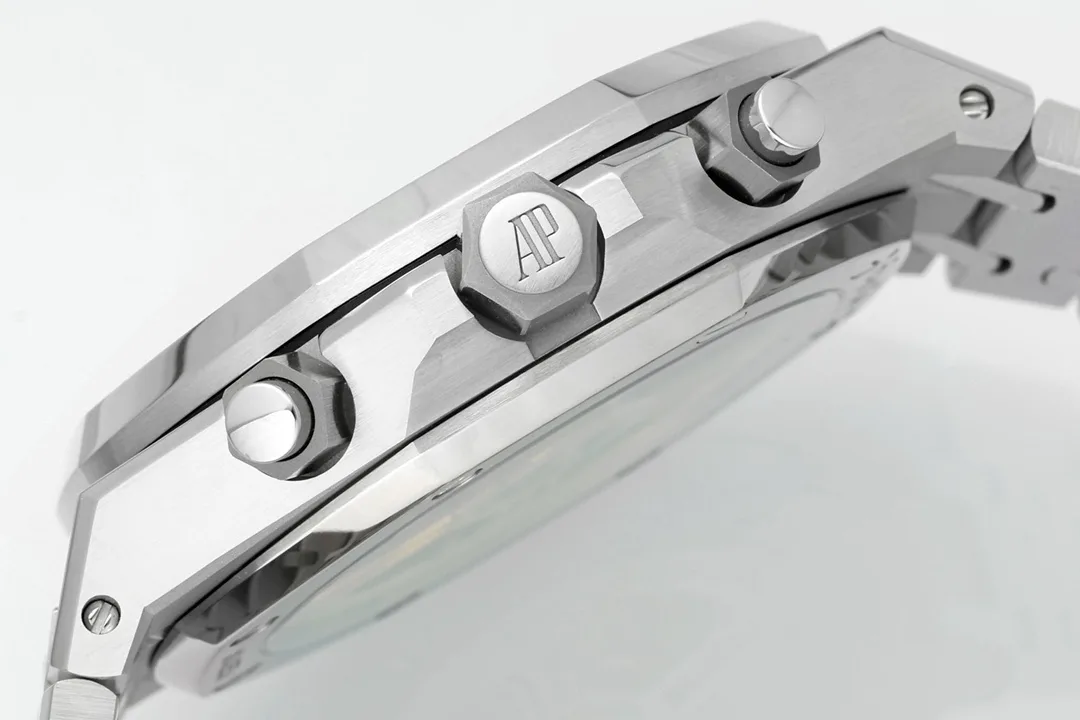
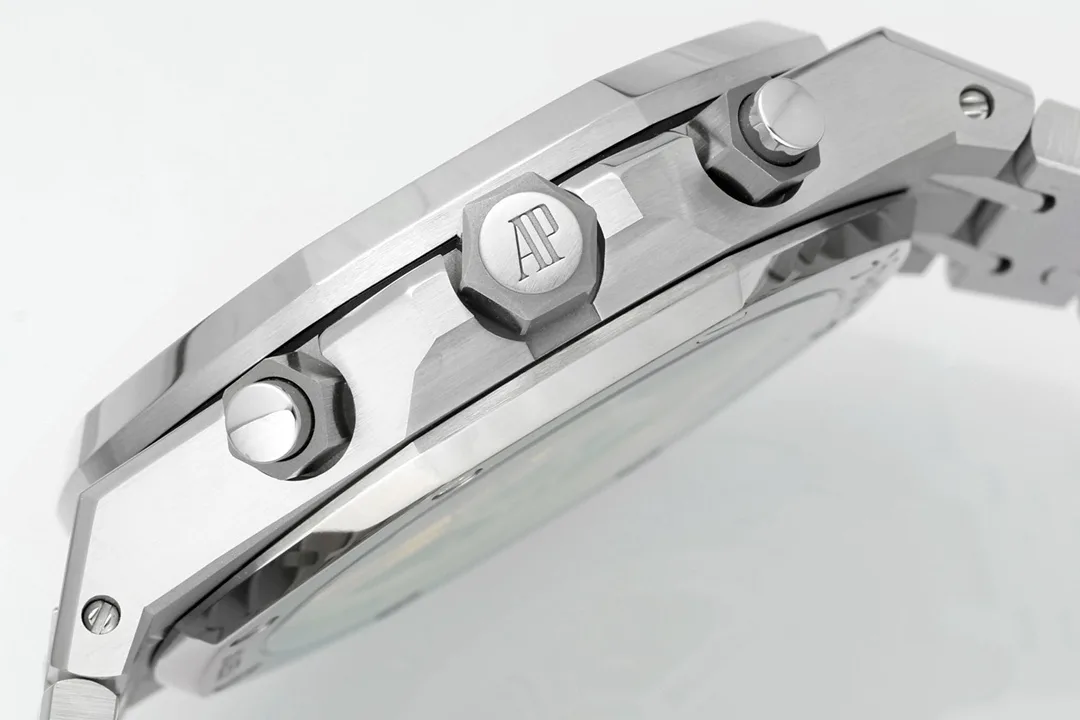
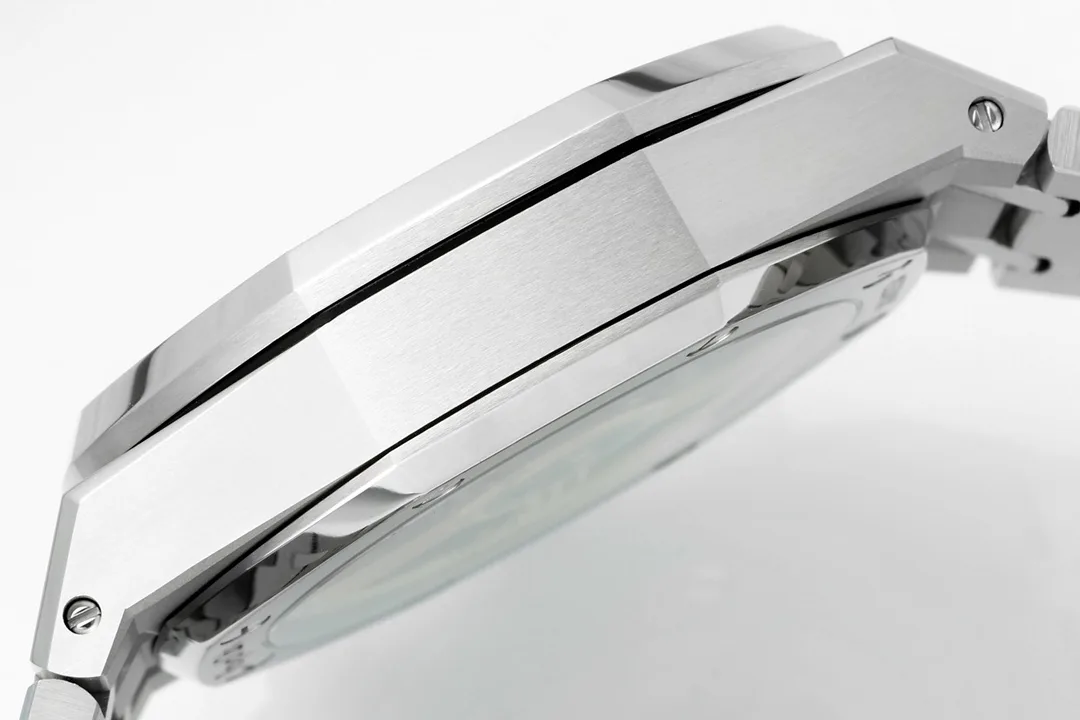
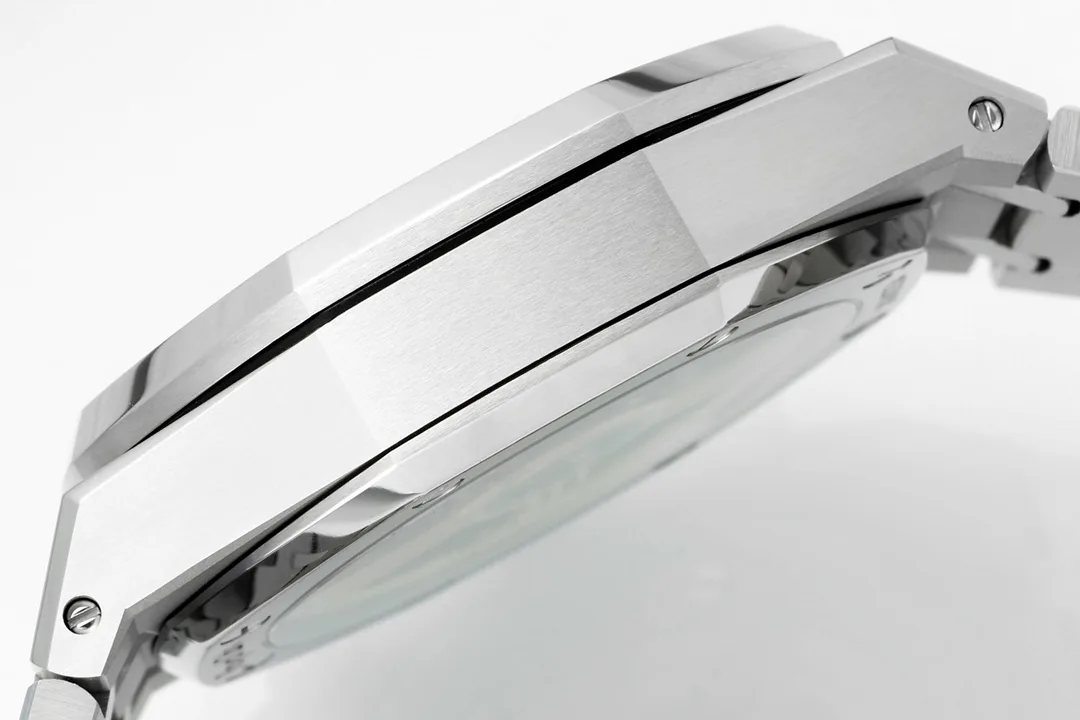
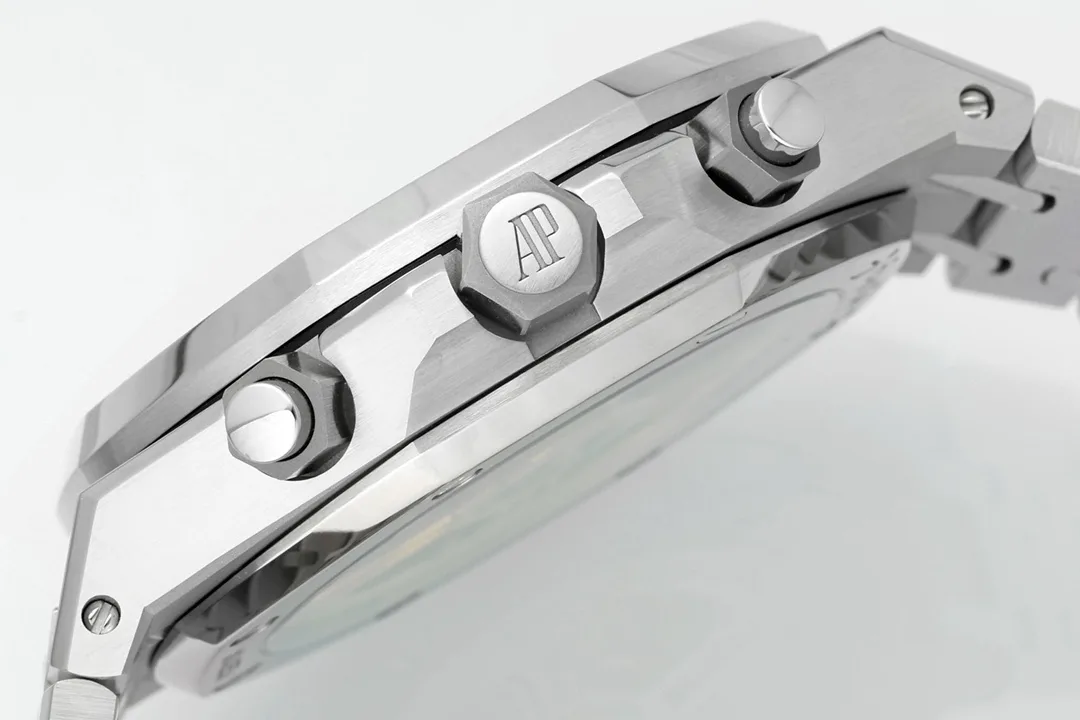
The case finishing gets good marks. One owner calls the bezel and bracelet finish excellent. On the smaller chronograph, a reviewer praised the sharp division between the flat brushed bezel and polished chamfers, which should carry over since it reflects the factory’s case work rather than the movement. Someone noticed that one example’s bezel brushing ran in a different direction from the bracelet’s. Check this against photos of the genuine watch.
The bezel screws are the most common complaint by far. Owners repeatedly report one or more screws turned slightly out of alignment, often at 4 or 7 o’clock. One owner sent a watch back because every screw was off. The usual explanation, from the smaller chronograph review, is that tightening the caseback screws without holding the bezel screws in place lets them rotate. This happens with most replicas of this design, and owners note that it’s hard to see on the wrist. It’s easy to fix with the right tools, but worth checking.
Bracelet: the divisive part
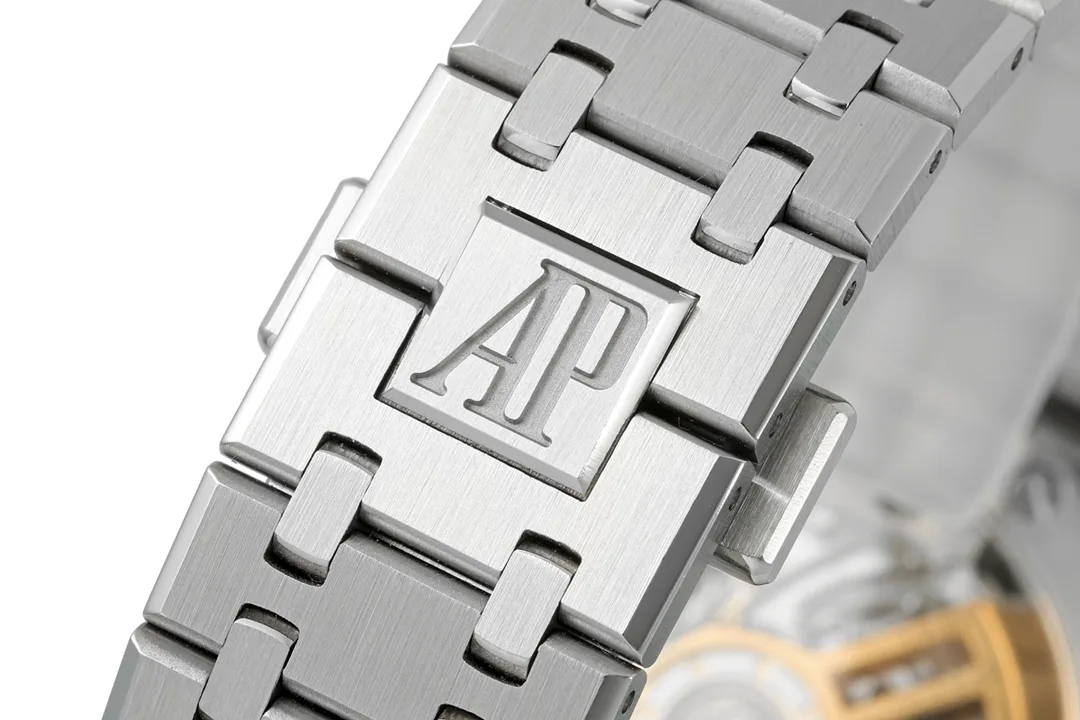
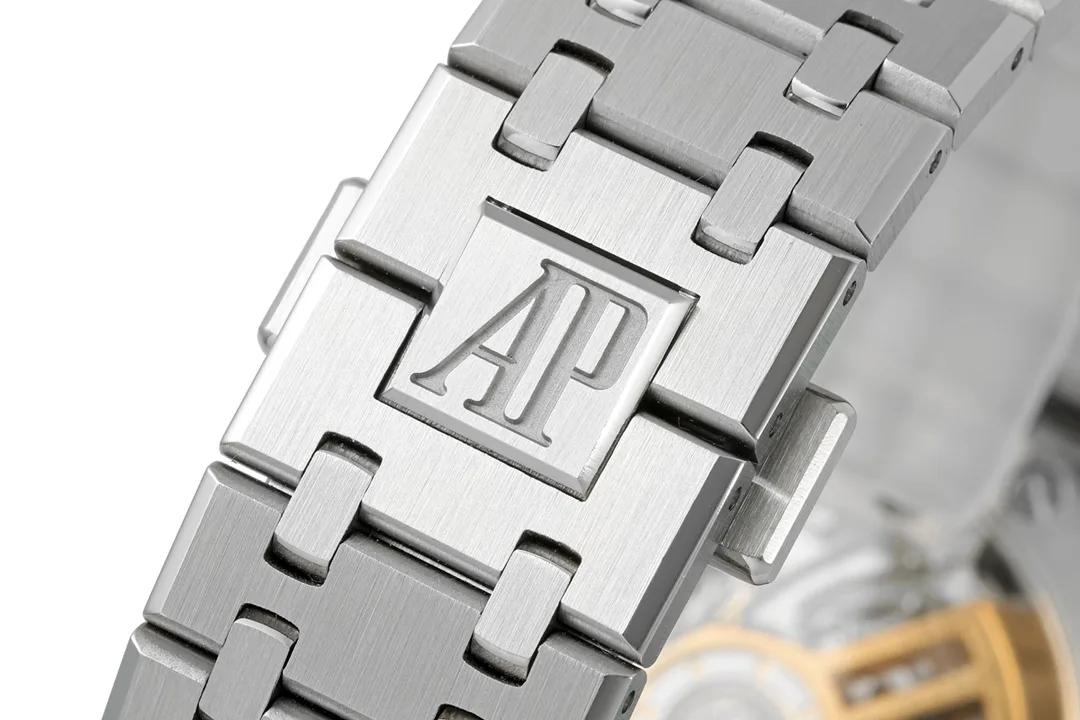
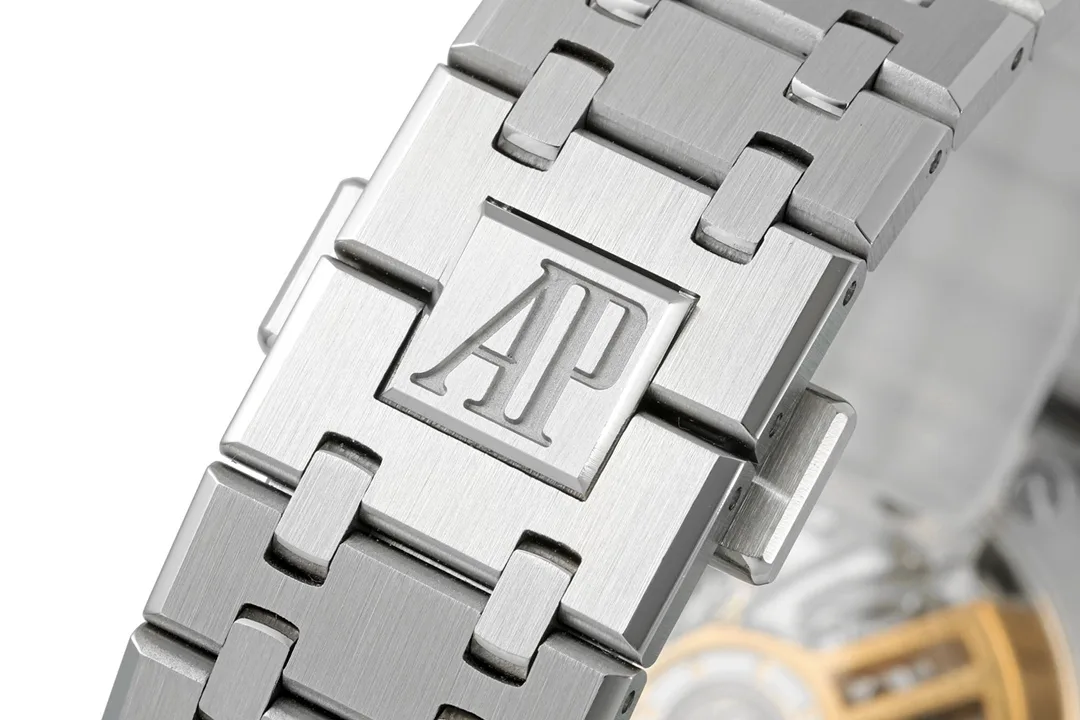
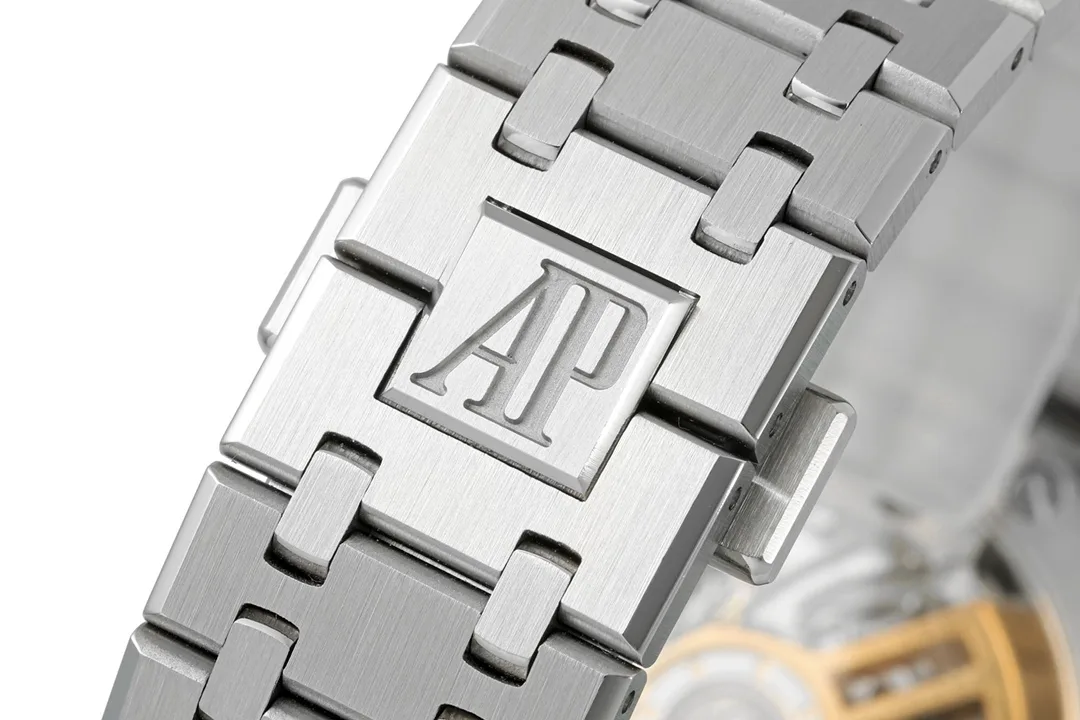
Opinions on the bracelet vary widely. One owner calls the finish excellent and the bracelet comfortable, if a little sharp on the sides. Another, who owned the watch and later sold it, calls it the weak point: sharp, faintly brushed and not premium-feeling. A third says that, next to a rival factory’s watch, the gap between the case and the first link is very obvious. The bracelet is also long; one owner had to remove a fixed link to fit a smaller wrist.
The truth may depend on the batch, but sharp edges are mentioned often enough to expect them. A professional edge polish is a common upgrade for this design.
How it compares
DDF and a factory known as Top are the main rivals. One owner thinks DDF’s bracelet and brushing are better, though they found its dial texture too flat. Another prefers Top’s bracelet, first-link fit and finish. APSF’s main advantage is the movement: a convincing flyback, with a free-sprung option, from a factory with a long record on this design.
What to check before you accept one
- All eight bezel screws: look for any that are rotated out of line.
- The chrono hand’s reset and the flyback function on video.
- Date centring and the 3, 6 and 9 markers.
- Subdial rings: decide whether the fainter rings bother you.
- Bracelet edges and the gap between the case and first link.
- Timegrapher results, and whether the movement is free-sprung.
The verdict
APSF’s 26240 finally gives this chronograph a movement that works like the genuine one, in a case that’s generally well finished. The blue dial looks the part, with fainter subdial rings as the main caveat. Bezel screws and the bracelet need checking, and some owners will want to polish the edges or swap the dial. Buy it for the movement, and check everything else carefully.
Royal Oak Chronograph 26240
Product photos
Blue dial

Product photos
White dial
Product photos
Black dial

Product photos
Green dial