VSF Submariner No Date 124060: The Plain One, Done Properly
VSF's 41 mm no-date Submariner took its time and stumbled at launch. Owner reviews now rate it as the benchmark, with a few clasp and movement caveats.
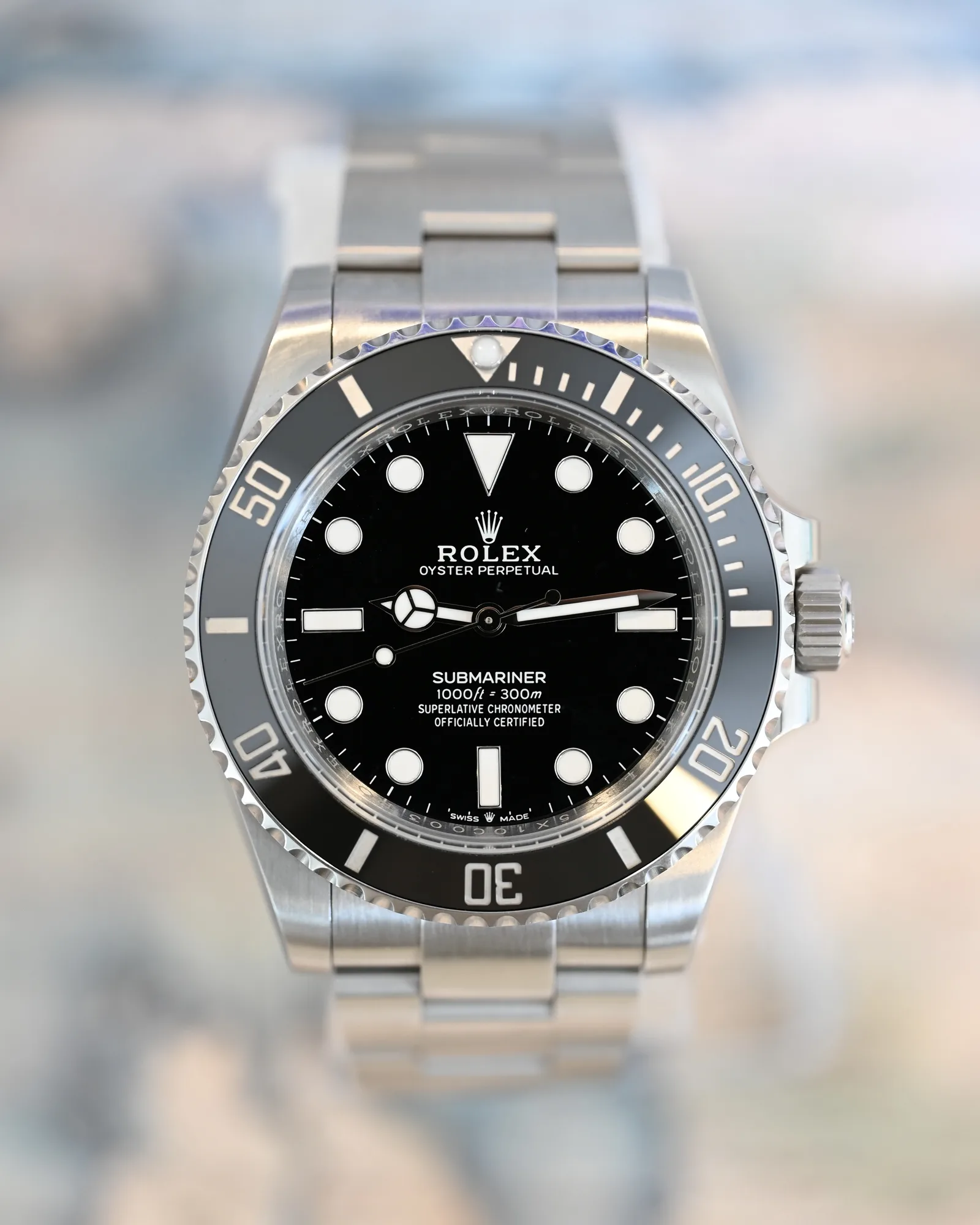
The no-date Submariner is the watch you buy when you’ve decided you don’t need anything else. There’s no date, no cyclops and no colour: just a black dial, a black bezel and the most copied silhouette in watchmaking. That’s exactly what makes it hard to replicate. With nothing to distract you, every flaw stands out.
VSF’s 124060 had a slow start and an awkward launch. Owner reviews now regularly call it the best example out of the box, with a few caveats that are worth knowing about.
Why this watch matters
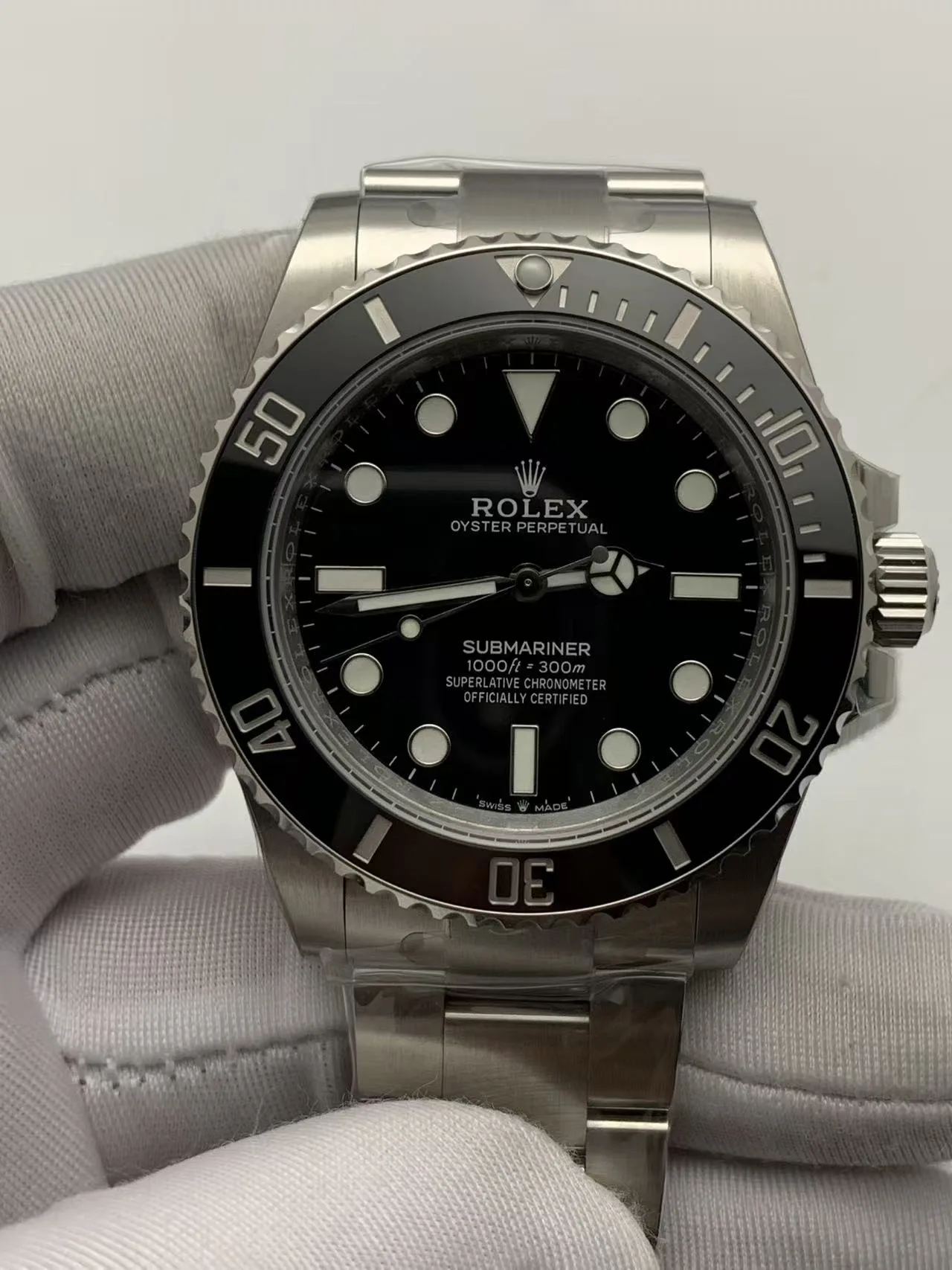
The genuine 124060 arrived as part of the 41 mm Submariner update. Compared with the 40 mm generation it replaced, it has a slightly larger case, slimmer lugs and a wider bracelet. Inside is the 3230 calibre, with roughly 70 hours of reserve, 4 Hz and no date mechanism at all. The bezel is ceramic, the lume covers the markers, hands and the pearl at 12, and the case is rated to 300 m.
Every factory wanted one. For a while the community was asking when VSF would get around to it, while another factory’s version filled the gap.
A false start
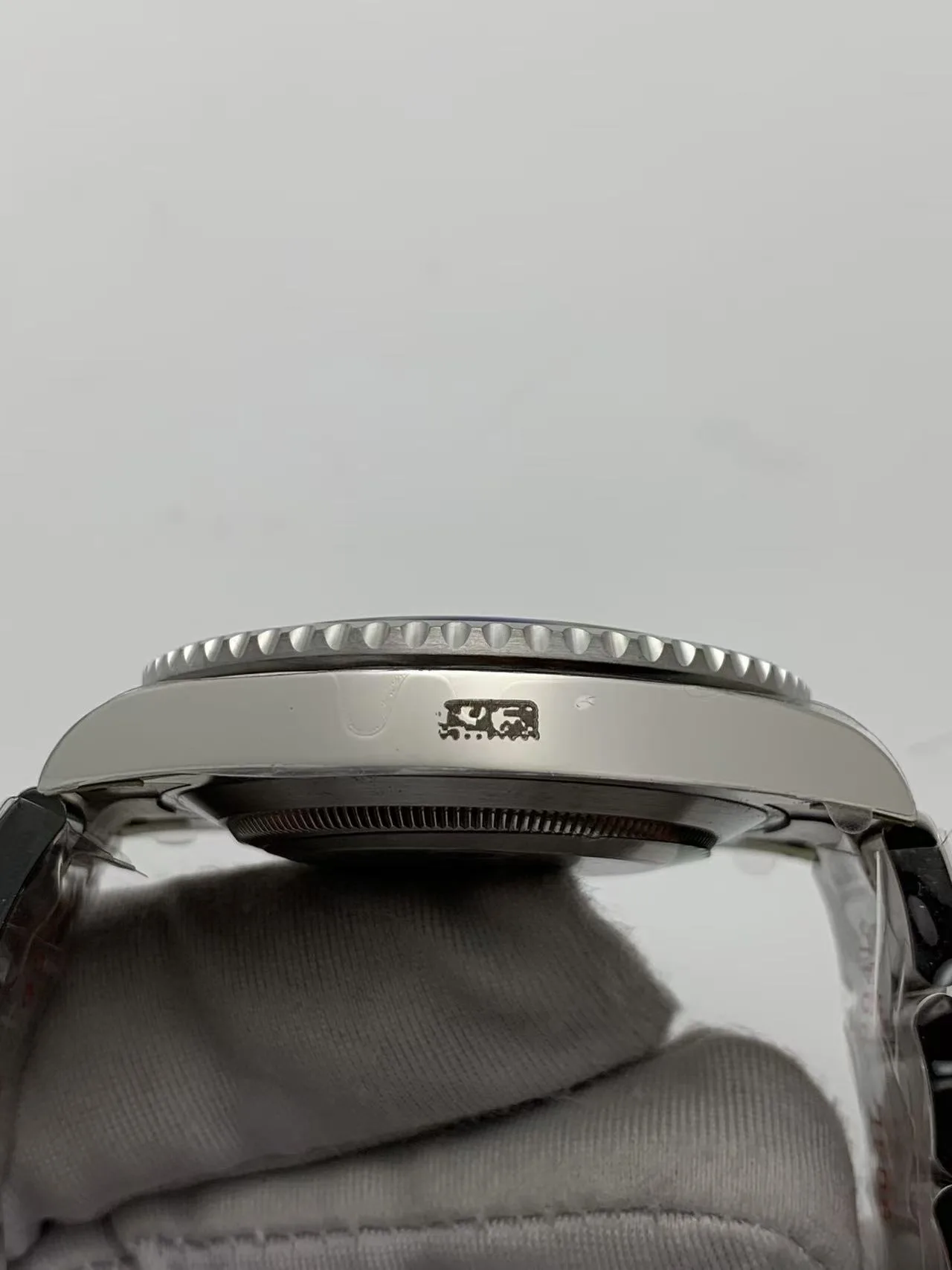
When VSF’s version finally appeared, the first reports weren’t flattering. Early batches reportedly used a 3235-type movement, the dated calibre, with the date simply removed from the dial. That left a “ghost” crown position, where pulling the crown out one step did nothing. On a genuine 3230 that position doesn’t exist, and buyers noticed. Some early posts also questioned the case engraving, though that seems to have been sorted out.
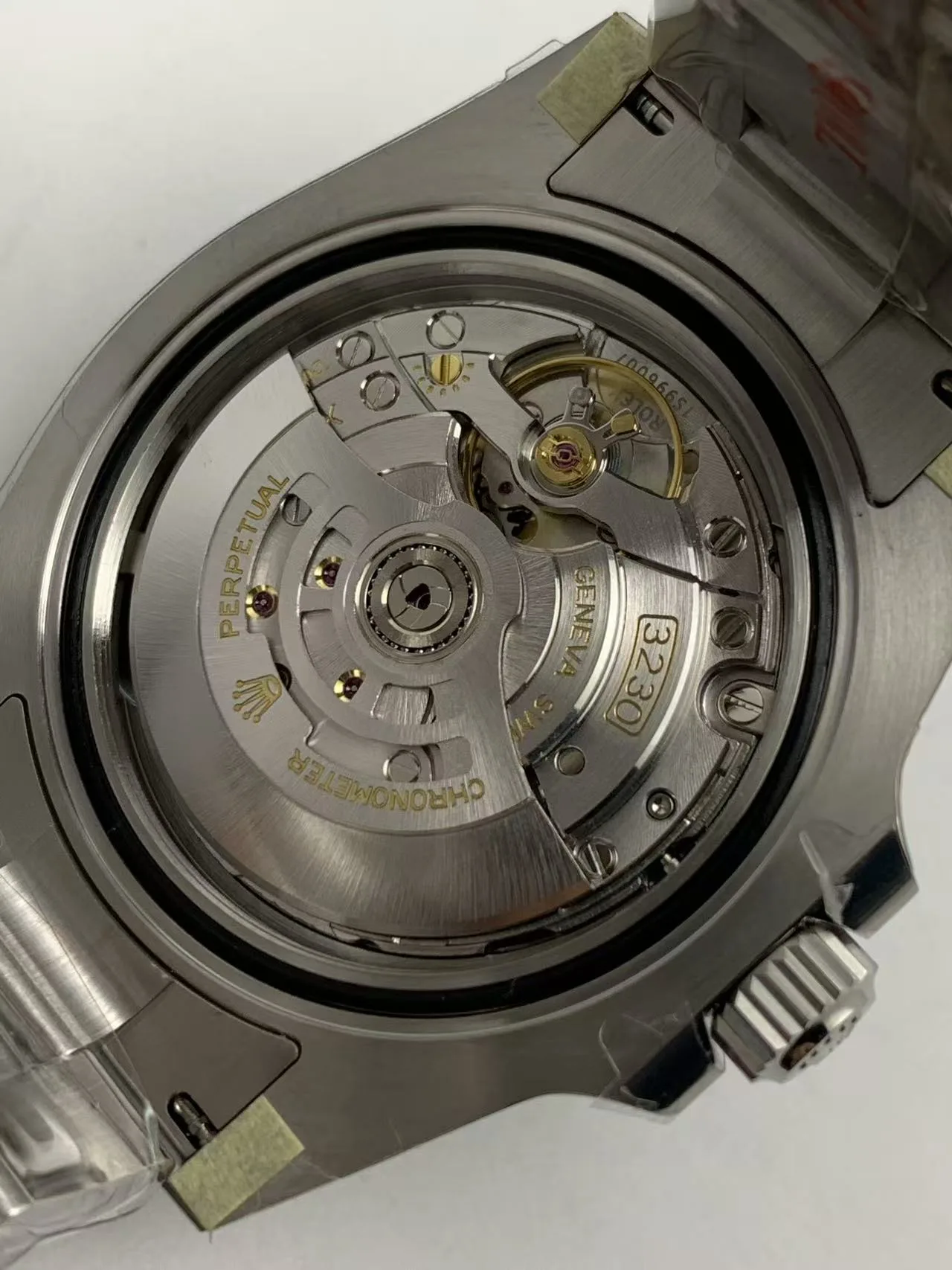
The good news is that the fix followed. Current examples reportedly use the VS3230, VSF’s clone of the no-date calibre. The ghost position is gone, so the first pull of the crown goes straight to time setting. You’ll also see it described as a DD3230 in some listings, which seems to refer to the same movement’s origin rather than a different one. Either way, if you’re buying second-hand, pull the crown and check.
Case and crystal
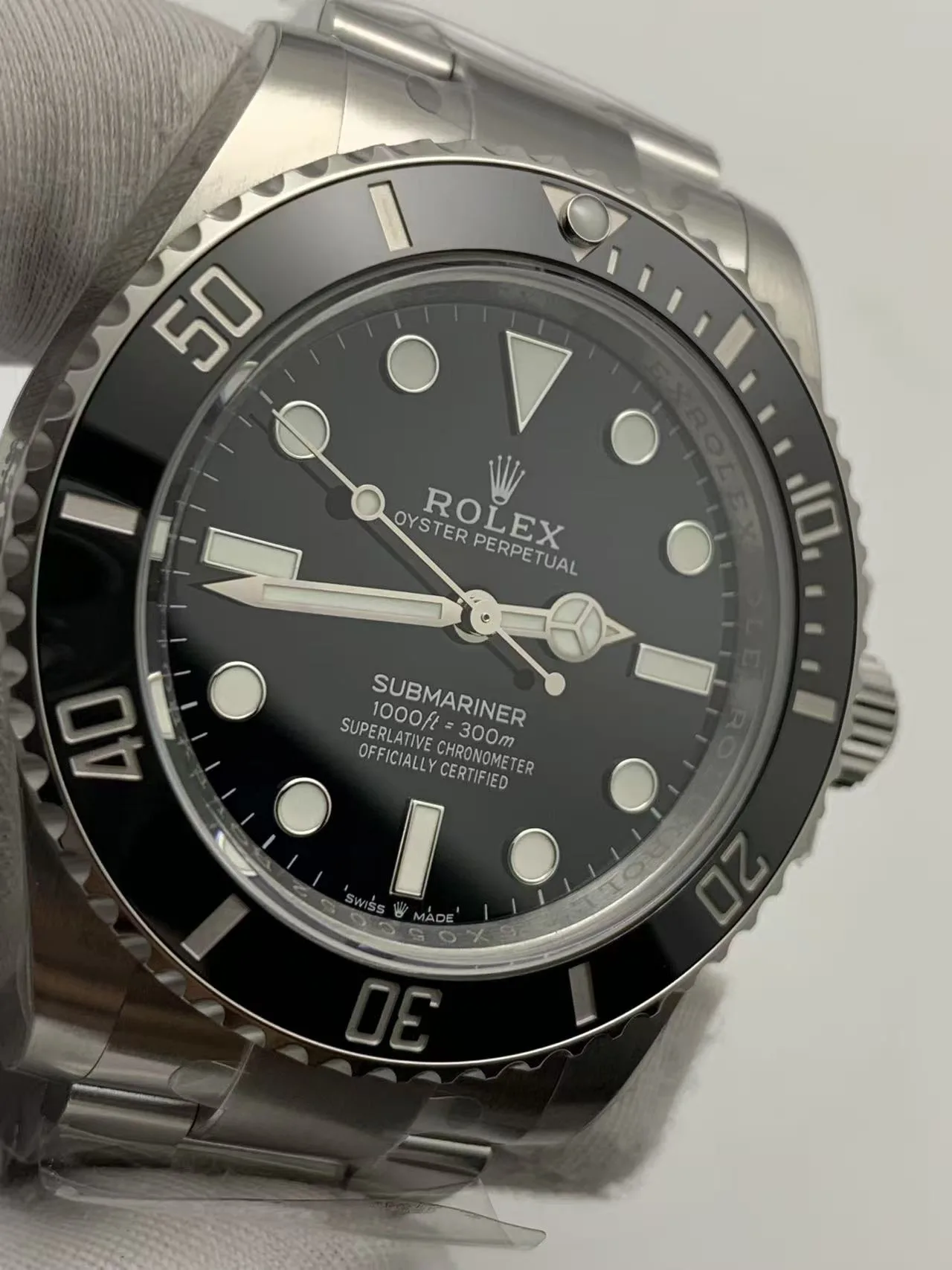
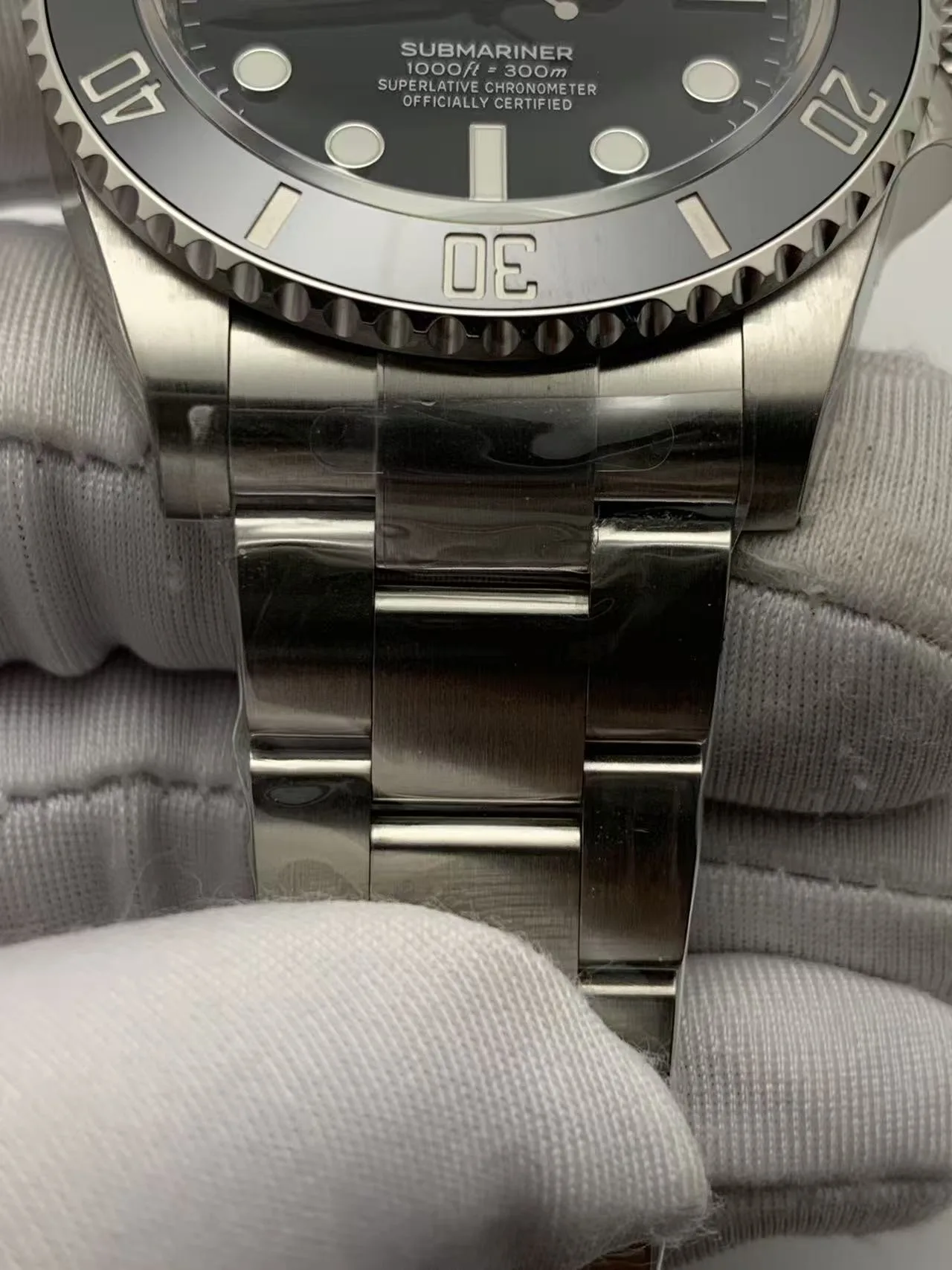
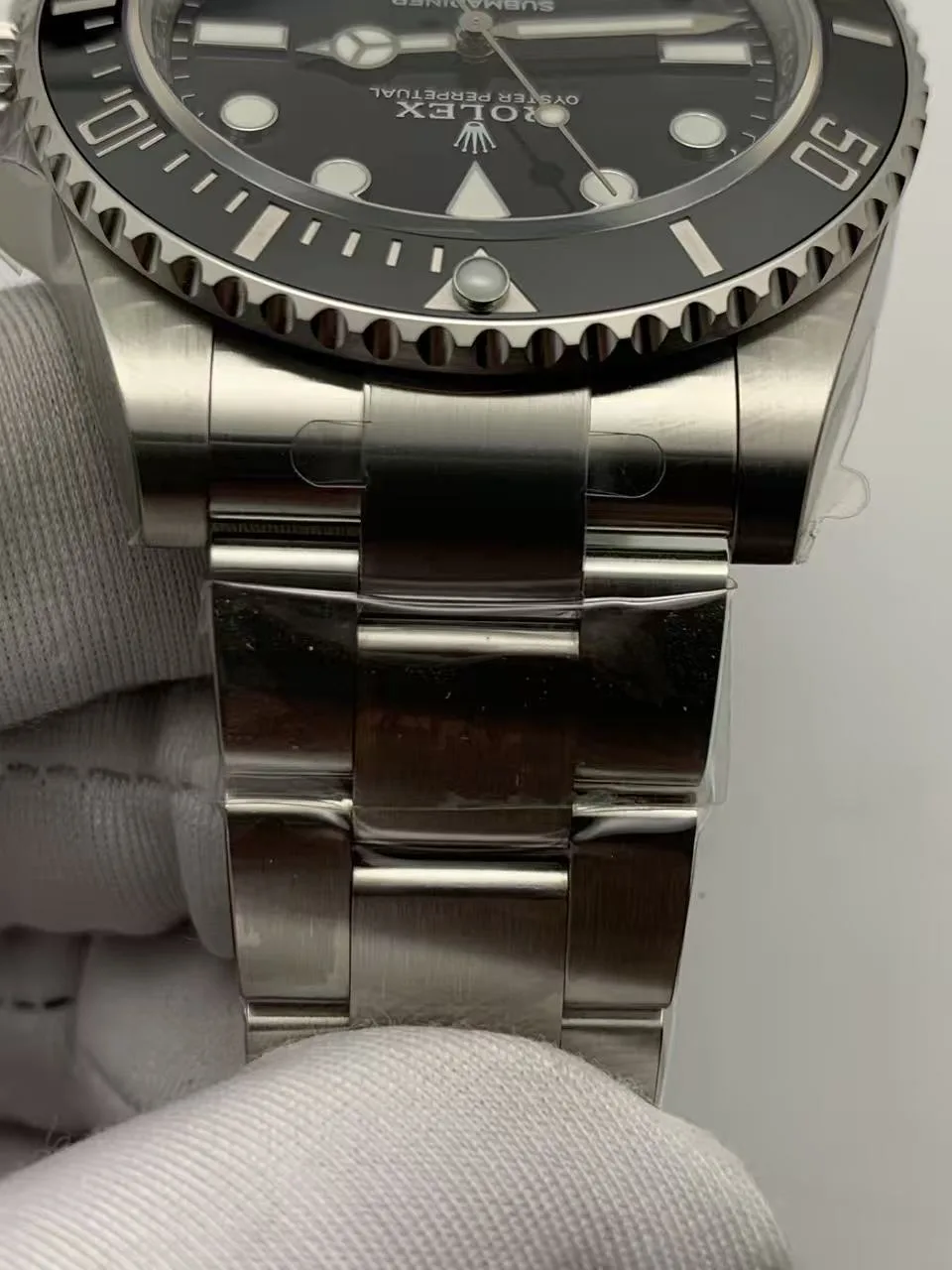
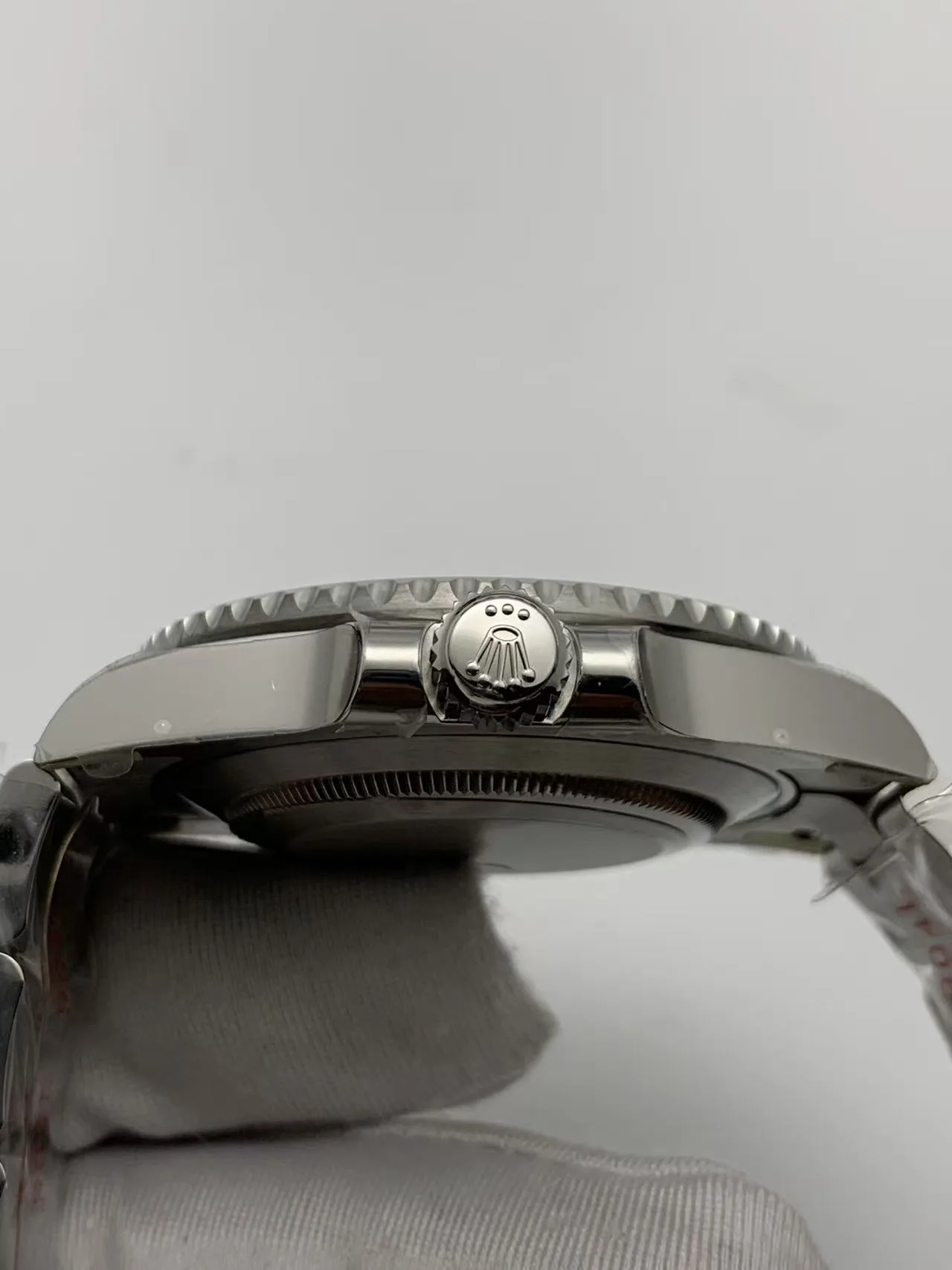
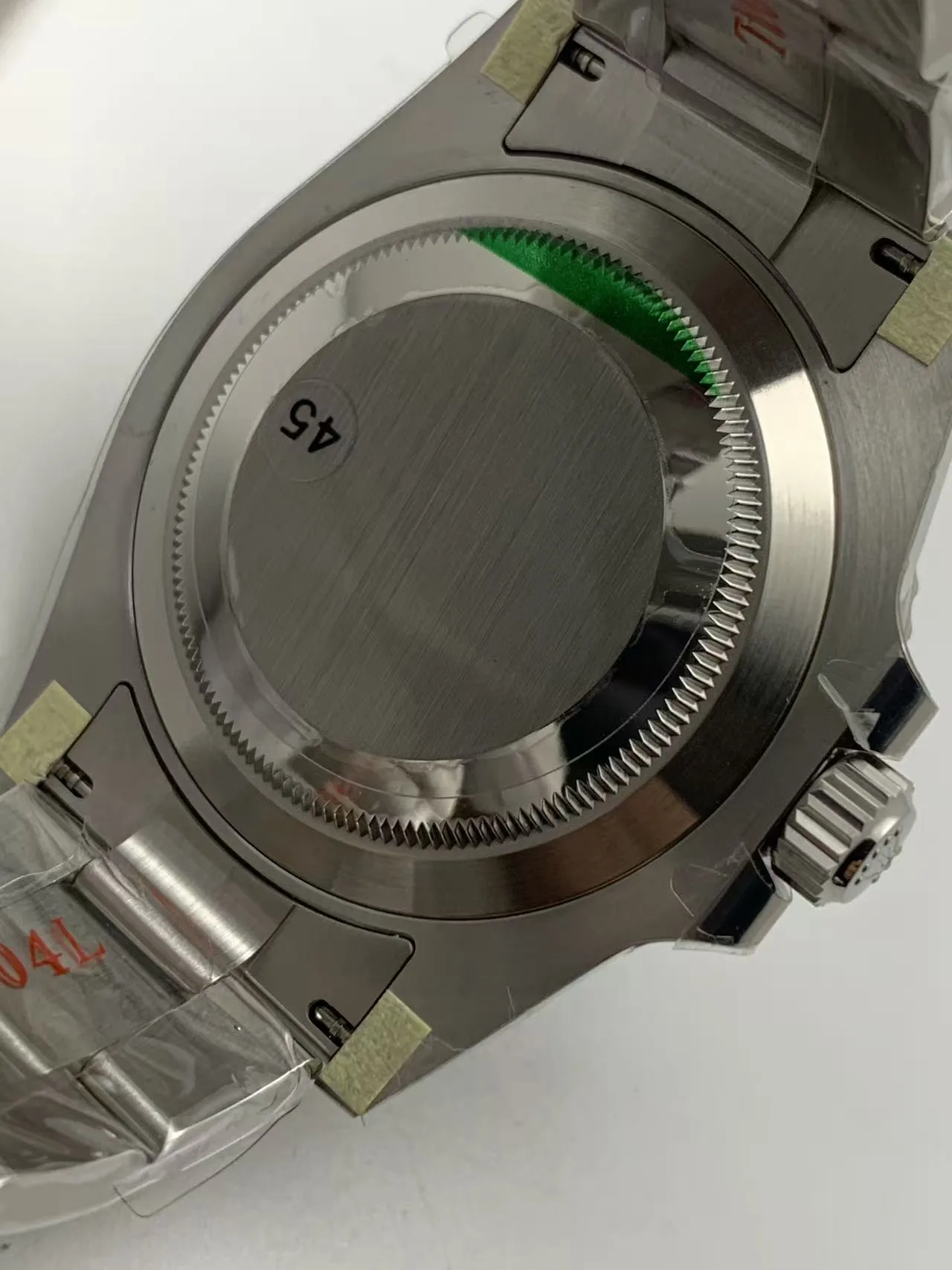
Owners describe a case that’s very close to the genuine proportions, including the slimmer lugs and crown guards of the 41 mm generation. One detailed three-way comparison with a genuine watch and another factory’s version found VSF’s crown guards more accurate and its crystal clearer, and it noted that the case markings are correct for this reference. Nobody will see those, but some people like knowing they’re right. The same reviewer found VSF’s hands smoother-edged, with more depth than the rival’s, and its pearl at 12 close to the genuine soft white.
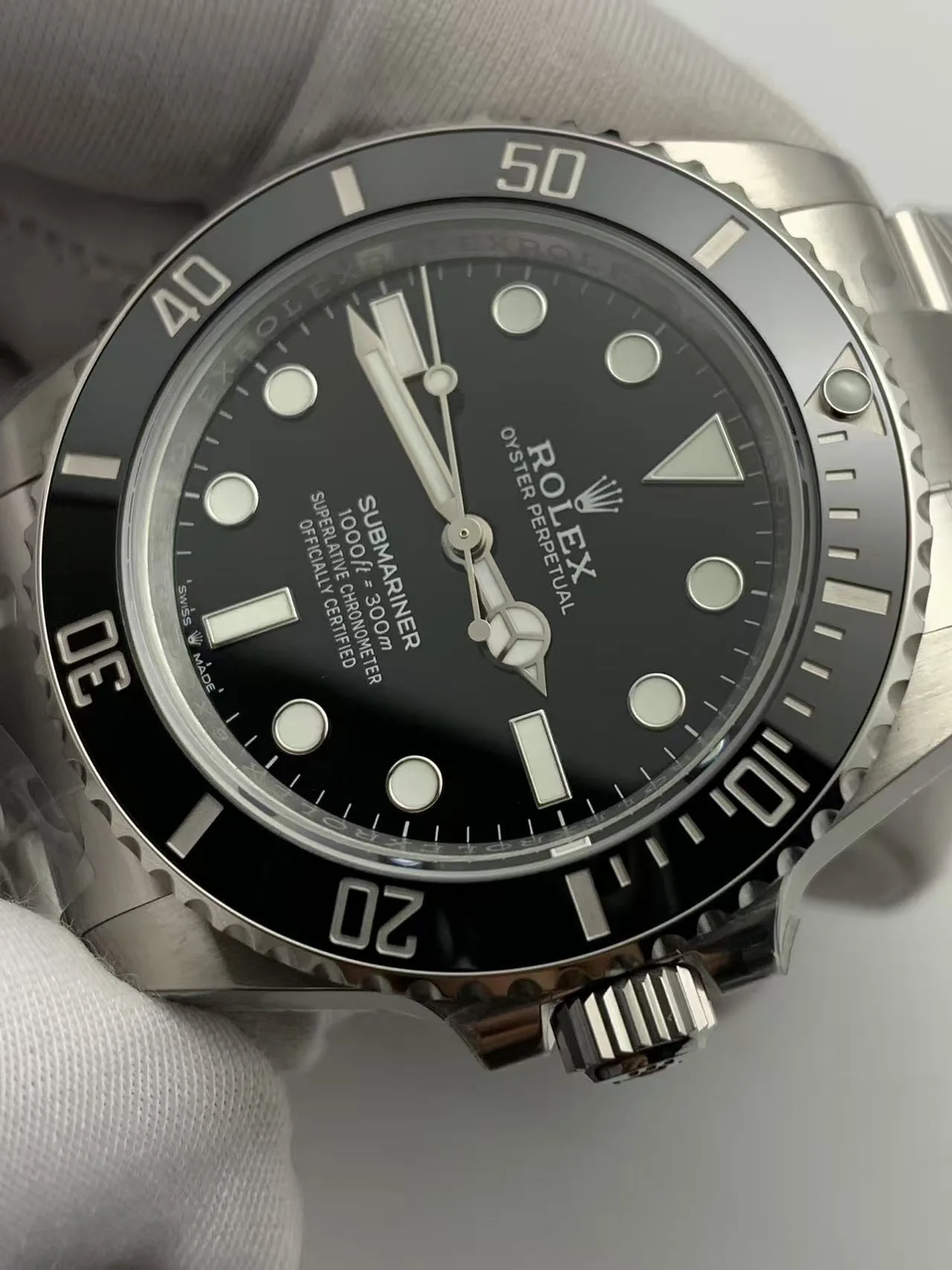
The rehaut is the recurring weakness. The same comparison rated the other factory’s rehaut engraving and polishing ahead of VSF’s, and that’s something you’d see on the wrist. It’s one of the first things to check in quality-control photos.
Bezel and lume
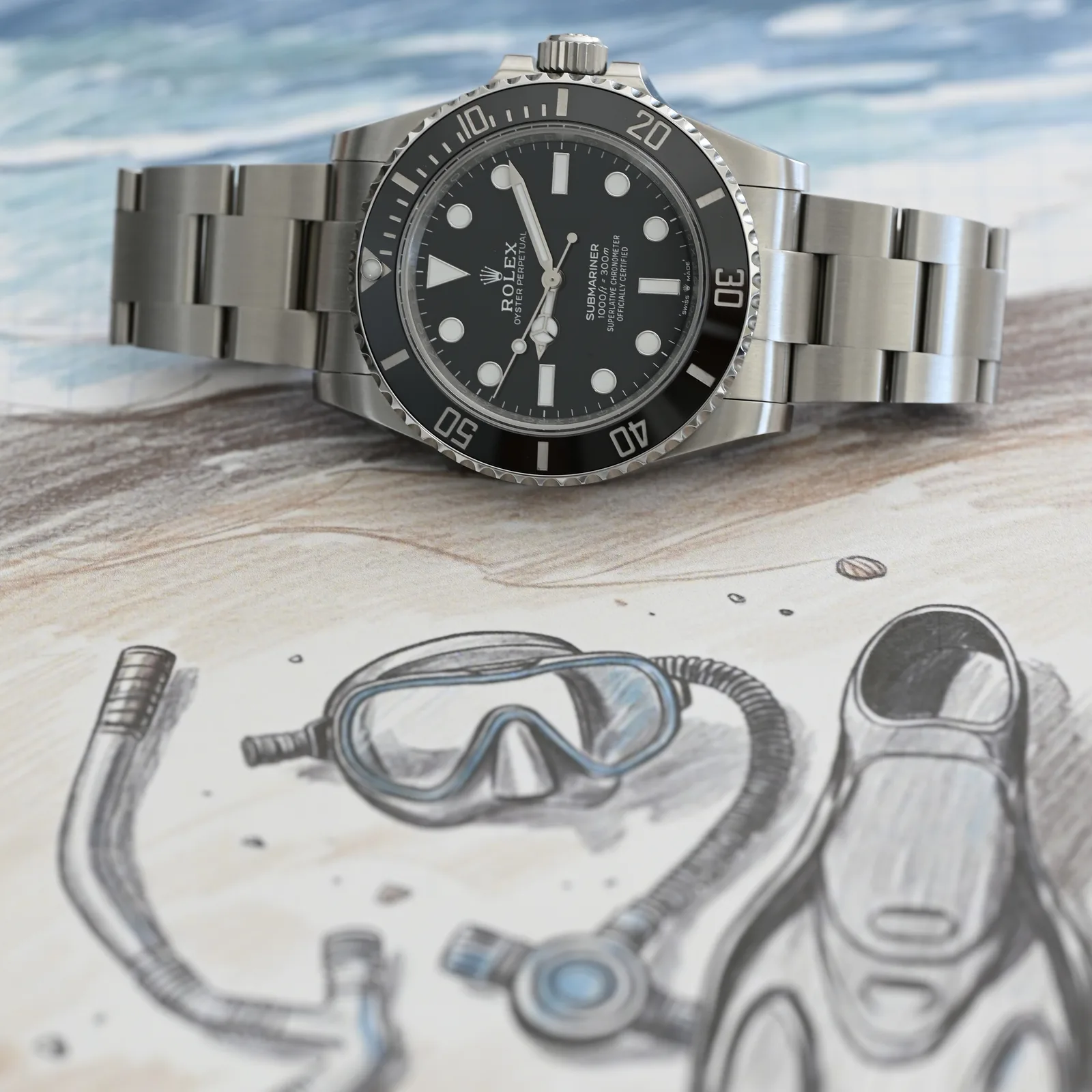
The bezel is reportedly where VSF wins most clearly. Owners describe a crisp, positive action with a clean click, often comparing it favourably with competing versions, which some describe as muffled. The comparison reviewer found it extremely close to the genuine watch in feel and sound, with no back-play, while the rival’s bezel felt loose. One owner calls the bezel “secure” and the sound delightful. For a watch with almost no other moving parts, that matters more than you’d think: it’s the one thing you’ll fiddle with every day.
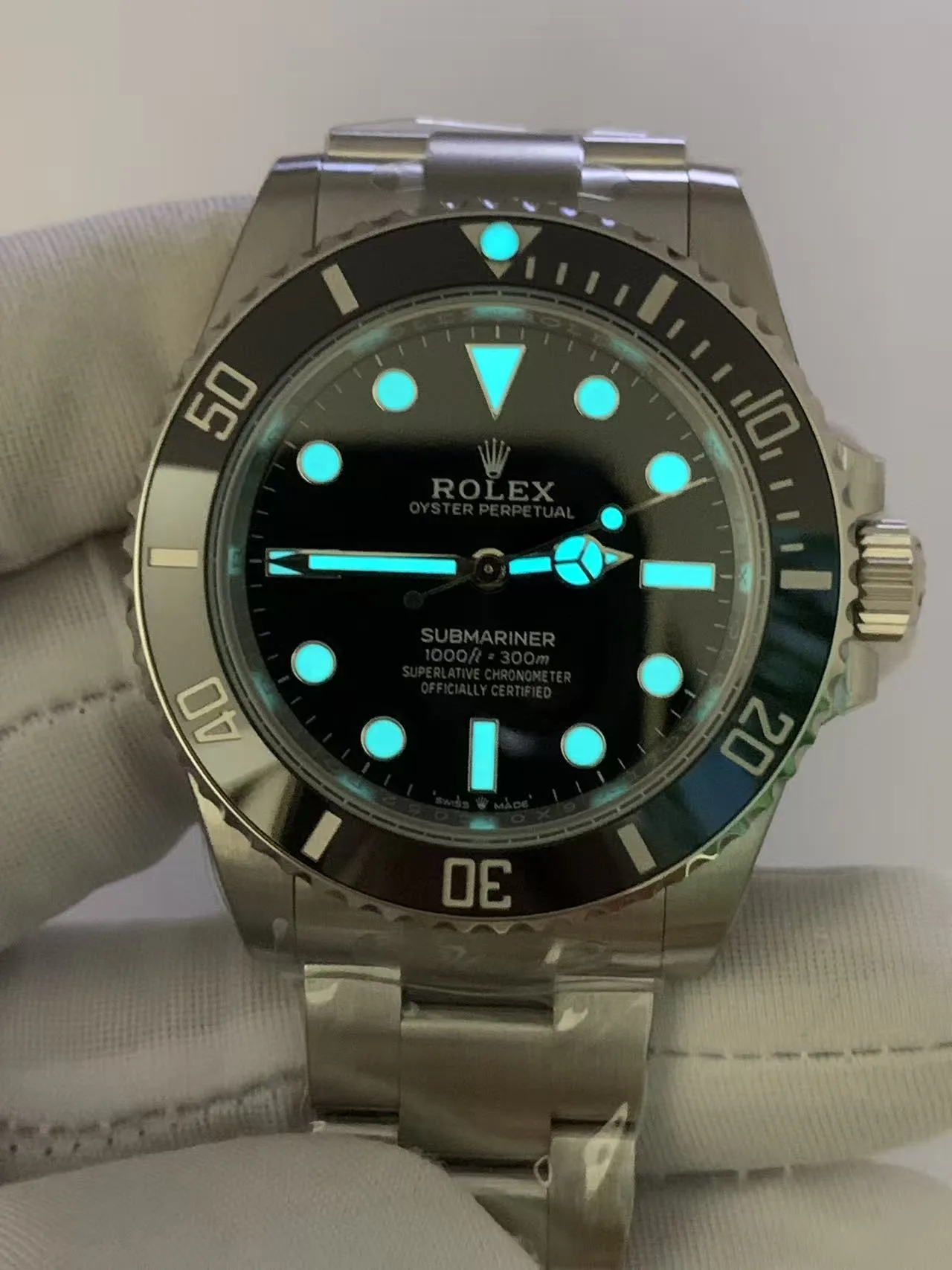
Lume is consistently described as strong, with a blue glow, and the dial print is said to be clean. The comparison suggests VSF’s clearer crystal also helps the lume and dial look crisper. On a plain black dial there’s nowhere to hide sloppy printing, so the lack of complaints is a good sign.
Bracelet and clasp
The bracelet is good, but not everyone thinks it’s the best. The comparison found the other factory’s end links slightly tighter and more solid, and the overall bracelet better finished, with VSF’s showing a little play in the links. VSF’s tool-free glide extension, however, was rated smoother than its rivals’.
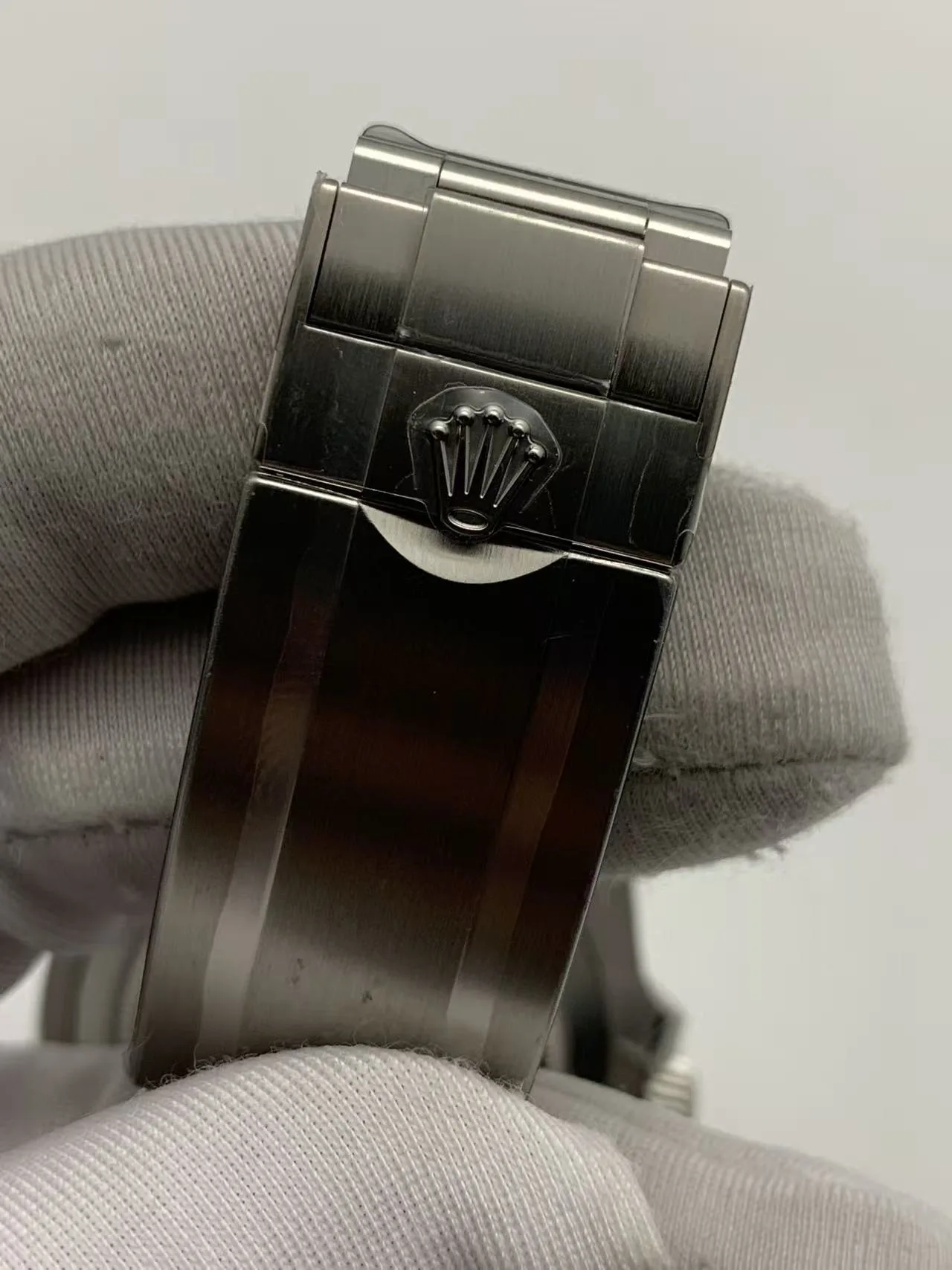
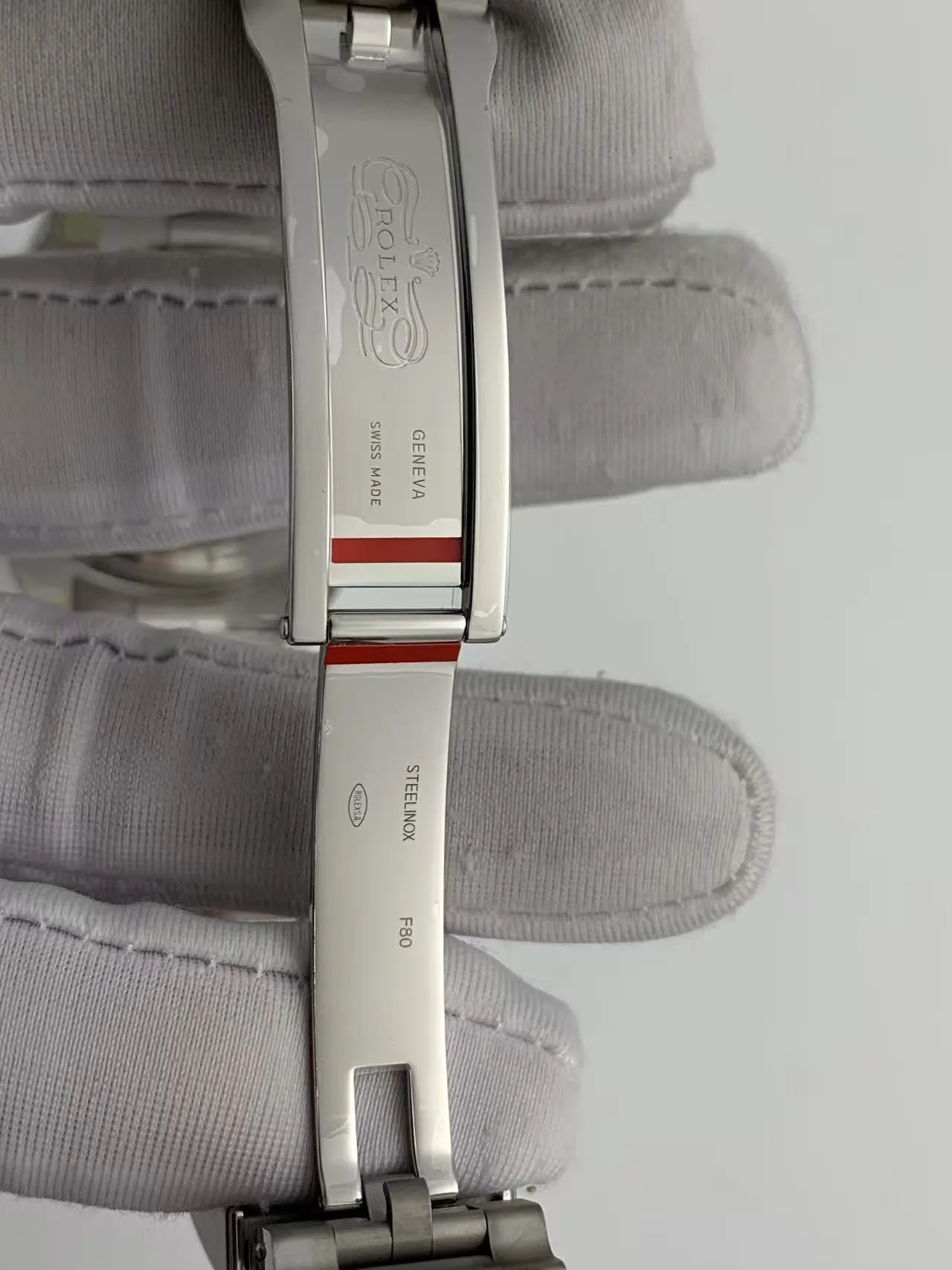
That glide extension also leads to the most specific owner warning. One owner with two of these watches says clasp quality depends on the clasp code. In their experience, one code locked firmly, while another was so loose that the extension could slip open under the watch’s own weight. They bought a replacement clasp for a modest sum and say it fixed the problem completely. That’s one person’s experience, but it costs nothing to check.
The movement
The VS3230 gets mostly good reviews. The comparison rated it the best of the three movements it tested, with a positive winding feel and slightly more resistance near full wind. One owner reports it running continuously on the wrist for two months without manual winding.
Not everyone is so lucky. Owner posts describe the usual variations: watches that keep good time when worn but gain while resting crown-up, one that drifted to around 15 seconds a day slow after two months, and amplitude that commonly sits lower than the genuine movement, particularly after a service. Experienced commenters point out that positional variation is normal for any mechanical watch and that timegrapher settings matter. The VS3230 is often measured at the wrong lift angle, which makes amplitude look worse than it is. The sensible view seems to be that if it keeps acceptable time over a day, it’s fine. If not, a regulation is usually all it needs.
One more thing. Owners describe a small extra click when the crown is unscrewed, before it reaches the setting position, which appears to be normal. As always with screw-down crowns, start threading by turning it backwards slightly to avoid crossing the thread.
The trade-offs
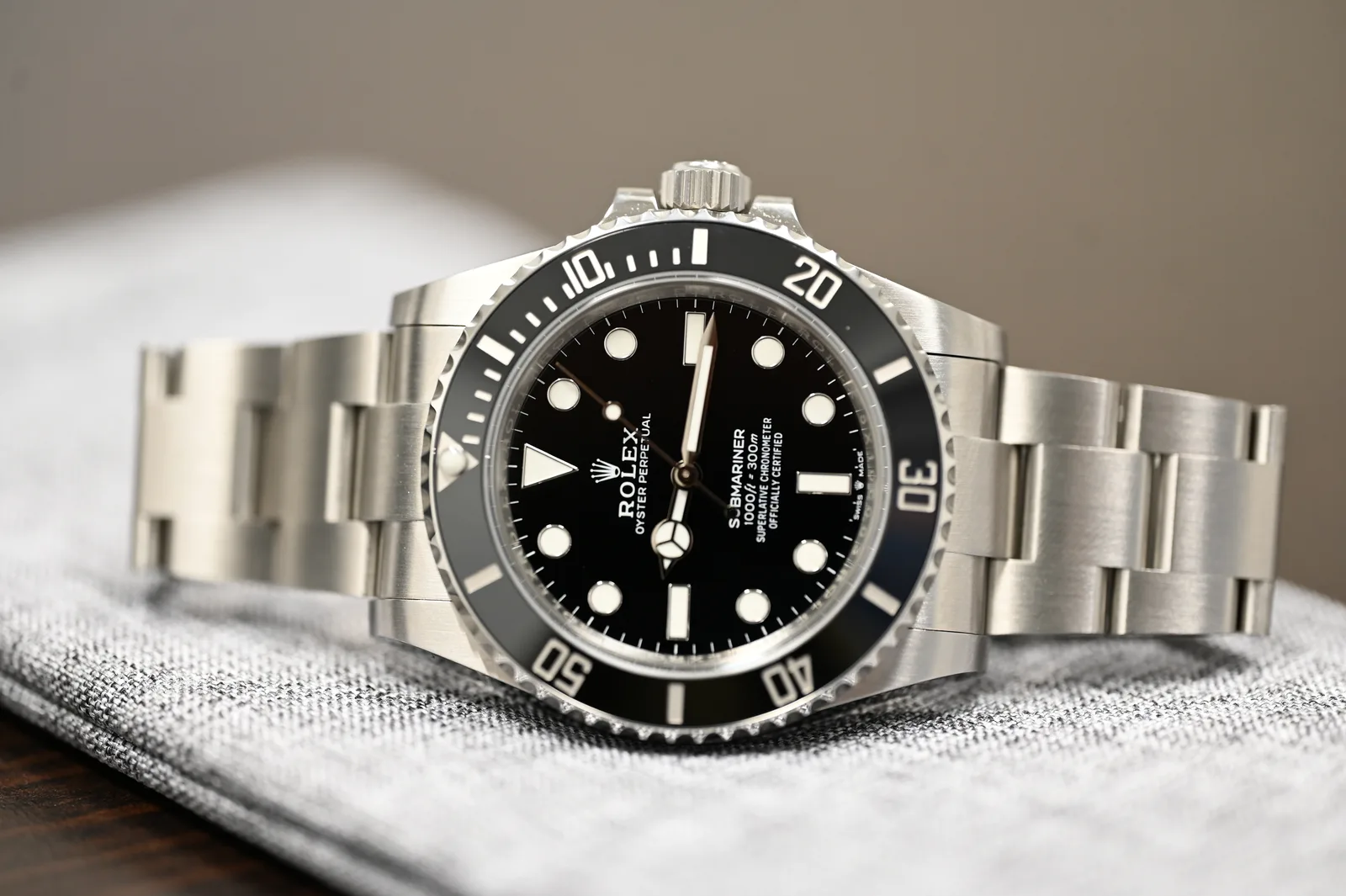
What makes this watch work is everything you’ll use every day: the bezel, the crystal, the glide extension and a movement that seems to have fixed its early identity crisis. What holds it back is mostly finishing detail: a rehaut that rivals do better, a bracelet that’s merely good and a clasp that can vary from one batch to the next. None of that is serious, but for a watch this simple, detail is what you’re paying for.
What to check before you accept one
- Crown: the first pull should go straight to time setting, with no empty ghost position.
- Rehaut engraving and polish: check alignment with the markers and the sharpness of the engraving.
- Clasp code and glide extension: make sure it locks firmly and won’t slip open.
- Bezel: 120 clean clicks with no play.
- Timegrapher readings at the correct lift angle, ideally in more than one position.
- End-link gaps and the dial print under magnification.
The verdict
VSF’s no-date Submariner had a messy start, but owner reviews now suggest it’s the one to beat. It isn’t flawless: the rehaut, bracelet and clasp could be better, and the movement’s timing can vary from one example to the next. But the parts you’ll actually notice are excellent. If you want the simplest watch in the catalogue done properly, this is very probably the place to start.
Submariner No Date 124060
Hands-on
Black dial, black ceramic bezel